





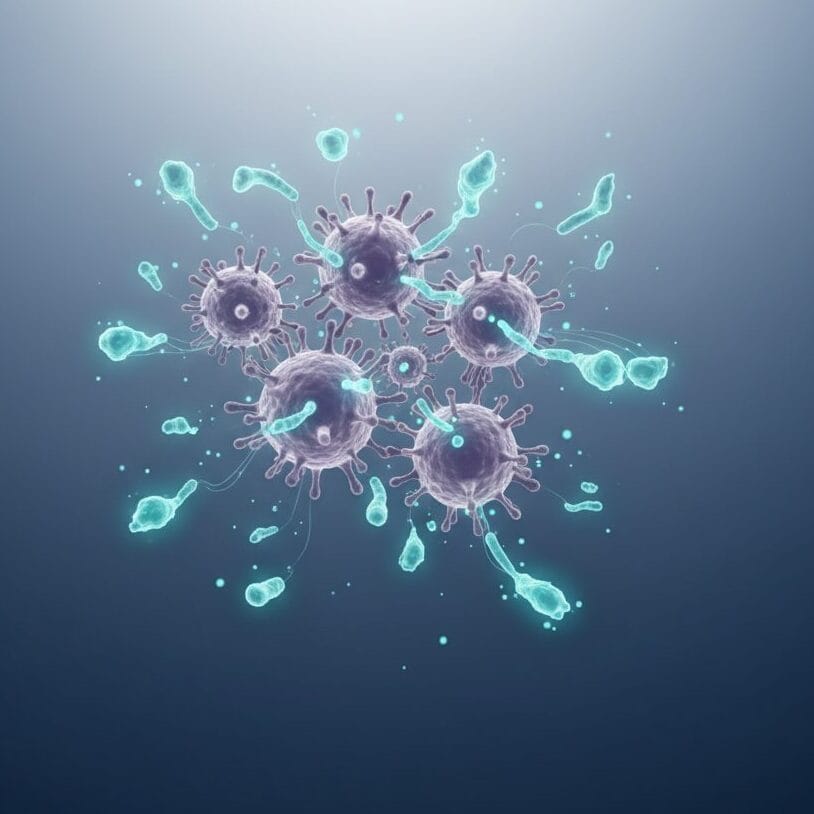
INTRODUCTION Pancreatic Cancer
When someone hears “pancreatic cancer,” the immediate reaction is often fear. It’s one of the most challenging cancers to treat, with survival statistics that can feel overwhelming. But here’s what most people don’t know: pancreatic cancer treatment options have evolved dramatically over the past five years, and the landscape in 2026 looks different than it did even in 2023.
The confusion around pancreatic cancer stems from outdated information, conflicting online sources, and the complexity of treatment protocols that vary drastically based on stage, location, and individual health factors.
While no single “cure” exists for all pancreatic cancers, modern medicine has developed treatment combinations that are extending lives, improving quality of life, and in some cases—particularly with early detection—achieving long-term remission.
This matters now because research is accelerating. New immunotherapy combinations, targeted molecular therapies, and refined surgical techniques are changing what’s possible.
If you or someone you care about is facing this diagnosis, understanding the real treatment landscape—not sensationalized headlines or false promises—can make all the difference in making informed decisions.
This comprehensive guide breaks down every major treatment option available in 2026, explains what the latest research shows, and provides the practical information you need to navigate this journey with your medical team.
For more health-related insights and evidence-based guides, visit Lume Chronos, where we break down complex medical topics into understandable information.
Understanding Pancreatic Cancer: Why Treatment Is Complex
What Makes Pancreatic Cancer Different
Pancreatic cancer, particularly pancreatic ductal adenocarcinoma (PDAC)—which accounts for about 90% of cases—presents unique challenges that explain why treatment outcomes have historically lagged behind other cancers.
The pancreas sits deep in the abdomen, surrounded by major blood vessels and vital organs. This location makes early detection extremely difficult. Most cases are diagnosed at advanced stages when the cancer has already spread beyond the pancreas. By the time symptoms like jaundice, unexplained weight loss, or persistent abdominal pain appear, the disease has often progressed significantly.
Additionally, pancreatic tumors develop what scientists call a “desmoplastic stroma”—essentially a dense, fibrous barrier around the tumor that makes it difficult for chemotherapy drugs and immune cells to penetrate. This protective shield is one reason why treatments that work for other cancers sometimes struggle with pancreatic cancer.
The Staging System That Determines Treatment
Understanding how doctors stage pancreatic cancer is crucial because it directly determines which treatments are available:
- Resectable (Stage I-II): The tumor is confined to the pancreas and can be surgically removed. This represents about 15-20% of cases at diagnosis.
- Borderline Resectable: The tumor touches major blood vessels but might become removable after chemotherapy or radiation shrinks it.
- Locally Advanced: The tumor has grown into nearby blood vessels and cannot be safely removed surgically.
- Metastatic (Stage IV): Cancer has spread to distant organs like the liver, lungs, or peritoneum.
In practice, most patients receive a combination of treatments rather than a single approach. The goal shifts based on stage—from curative intent in early stages to extending life and maintaining quality of life in advanced stages.
Current Pancreatic Cancer Treatment Options That Show Results
Surgery: The Gold Standard for Early-Stage Disease
For patients with resectable pancreatic cancer, surgery remains the best chance for long-term survival. The most common procedure is the Whipple procedure (pancreaticoduodenectomy), which removes the head of the pancreas, part of the small intestine, gallbladder, and bile duct.
Recent advances have improved Whipple procedure success rates significantly. Hospitals performing high volumes of these surgeries (50+ per year) report much better outcomes than low-volume centers. Five-year survival rates after successful surgery combined with chemotherapy can reach 25-30% for early-stage disease—a substantial improvement from a decade ago.
Distal pancreatectomy, used for tumors in the tail of the pancreas, removes the tail and sometimes the spleen. This procedure typically has fewer complications than the Whipple.
The reality many patients face: Only about 15-20% of pancreatic cancers are surgically resectable at diagnosis. This is why early detection research is so critical, and why some medical experts recommend pancreatic cancer screening for high-risk individuals with family history or genetic predispositions.
Chemotherapy Regimens That Are Extending Survival
Chemotherapy for pancreatic cancer has improved dramatically with combination protocols that attack cancer cells through multiple mechanisms.
FOLFIRINOX is currently the most aggressive regimen, combining four drugs: fluorouracil, leucovorin, irinotecan, and oxaliplatin. Studies show it can extend median survival in metastatic pancreatic cancer to around 11 months compared to 6-7 months with older single-agent therapies. However, FOLFIRINOX causes significant side effects, so it’s typically reserved for younger, healthier patients who can tolerate the intensity.
Gemcitabine plus nab-paclitaxel offers a less toxic alternative that still provides meaningful benefits. This combination has become standard for many patients who cannot tolerate FOLFIRINOX. Median survival with this regimen reaches about 8-9 months in metastatic disease.
Adjuvant chemotherapy (given after surgery) has become standard practice. Modified FOLFIRINOX given for six months after surgical resection has shown to reduce recurrence risk significantly compared to gemcitabine alone.
Most importantly, doctors are now using neoadjuvant therapy—chemotherapy given before surgery—for borderline resectable tumors. This approach can shrink tumors enough to make them surgically removable, converting some previously inoperable cases into surgical candidates. For comprehensive guides on navigating cancer treatment decisions, Lume Chronos offers detailed breakdowns of complex medical protocols.
Radiation Therapy: When and Why It’s Used
Radiation therapy for pancreatic cancer serves specific purposes in the treatment plan. Unlike some cancers where radiation is a primary treatment, it’s typically used as part of a multimodal approach.
Stereotactic body radiation therapy (SBRT) delivers precisely targeted, high-dose radiation in just 3-5 treatments rather than the traditional 25-30 sessions. This technique minimizes damage to surrounding organs while delivering powerful doses to the tumor. SBRT is particularly useful for locally advanced pancreatic cancer that cannot be surgically removed.
Radiation is also used as palliative treatment to relieve pain from tumors pressing on nerves or blocking bile ducts. When combined with chemotherapy (chemoradiation), it can help control local tumor growth in borderline resectable cases before attempted surgery.
The debate continues among oncologists about the optimal use of radiation. Some cancer centers favor aggressive chemoradiation for locally advanced disease, while others prioritize chemotherapy alone. What works best often depends on tumor location, patient health status, and institutional expertise.
Breakthrough Therapies Changing the Game in 2026
Immunotherapy: Finally Making Progress
For years, immunotherapy showed disappointing results in pancreatic cancer while revolutionizing treatment for melanoma, lung cancer, and other malignancies. But 2024-2026 has brought meaningful progress.
Checkpoint inhibitors like pembrolizumab now work for a small subset of pancreatic cancer patients—those whose tumors have high microsatellite instability (MSI-high) or mismatch repair deficiency (dMMR). While this represents only 1-2% of pancreatic cancers, the response rates in this group can be remarkable, with some patients achieving long-term disease control.
More exciting is the development of combination immunotherapy approaches. Researchers are pairing checkpoint inhibitors with vaccines, chemotherapy, or targeted therapies to overcome the immune-resistant nature of pancreatic tumors. Early clinical trial results show promise, with some combinations doubling response rates compared to chemotherapy alone.
CAR-T cell therapy, which engineers a patient’s immune cells to attack cancer, is being tested specifically for pancreatic cancer. While still experimental, several trials are showing that targeting proteins like mesothelin on pancreatic cancer cells might provide a new treatment avenue for patients who have exhausted standard options.
Targeted Therapy Based on Tumor Genetics
One of the most significant advances in pancreatic cancer treatment is the move toward precision medicine—matching specific drugs to genetic mutations in each patient’s tumor.
PARP inhibitors like olaparib and rucaparib have shown effectiveness for pancreatic cancer patients with BRCA1 or BRCA2 mutations. About 5-7% of pancreatic cancer patients carry these genetic changes, and PARP inhibitors can extend progression-free survival by several months when used as maintenance therapy after initial chemotherapy.
KRAS G12C inhibitors represent a breakthrough for a specific subset of patients. While most pancreatic cancers have KRAS mutations, the G12C variant makes up about 1-2% of cases. Drugs like sotorasib, originally developed for lung cancer, are now being tested in pancreatic cancer with this specific mutation.
NTRK fusion inhibitors (larotrectinib and entrectinib) work for the rare pancreatic cancers with NTRK gene fusions. Though uncommon, when present, these drugs can produce dramatic responses.
The key takeaway: Comprehensive genomic testing of pancreatic tumors is now standard practice at major cancer centers. This testing can identify actionable mutations that open doors to targeted therapies that might not be effective for the general pancreatic cancer population but could be life-changing for specific individuals. For more information on genetic testing and personalized medicine approaches, explore resources at Lume Chronos Shop, where we compile research-backed health tools and information.
Clinical Trials: Access to Tomorrow’s Treatments Today
Clinical trials are not a last resort—they often provide access to cutting-edge treatments that may become tomorrow’s standard of care. In 2026, hundreds of pancreatic cancer clinical trials are actively enrolling patients, testing everything from novel drug combinations to entirely new therapeutic approaches.
Oncolytic virus therapy uses specially engineered viruses to infect and kill cancer cells while stimulating immune responses. Several oncolytic viruses are in late-stage trials specifically for pancreatic cancer.
Cancer vaccines designed to train the immune system to recognize pancreatic cancer cells are showing promise in preventing recurrence after surgery. The mRNA vaccine technology that revolutionized COVID-19 prevention is now being adapted for personalized cancer vaccines.
Metabolic therapies that exploit pancreatic cancer’s unique energy requirements are in early trials. These approaches target how cancer cells process nutrients, potentially starving tumors of the fuel they need to grow.
Finding the right clinical trial requires working closely with your oncology team. Major academic medical centers typically have the most trial options, and some patients benefit from getting a second opinion at a National Cancer Institute-designated cancer center specifically to explore trial opportunities.
Supportive Care and Quality of Life Management
Pain Management That Actually Works
Pain is a significant concern for many pancreatic cancer patients, particularly as disease progresses. Modern pain management has evolved far beyond simply prescribing opioids.
Celiac plexus neurolysis involves injecting alcohol or phenol into the nerve bundle behind the pancreas that transmits pain signals. This procedure can provide months of pain relief for patients with locally advanced or metastatic disease.
Interventional procedures like nerve blocks and palliative radiation can target specific sources of pain without the side effects of systemic medications. Many cancer centers now have dedicated palliative care teams that specialize in maximizing quality of life alongside cancer treatment.
Nutritional Support and Digestive Enzyme Replacement
Pancreatic cancer and its treatments often impair the pancreas’s ability to produce digestive enzymes, leading to malabsorption, weight loss, and nutritional deficiencies.
Pancreatic enzyme replacement therapy (PERT) involves taking capsules with every meal that contain the enzymes your pancreas would normally produce. This simple intervention can dramatically improve nutrient absorption, reduce digestive symptoms, and help maintain weight and strength during treatment.
Working with an oncology dietitian is crucial. They can recommend high-calorie, easily digestible foods and create meal plans that work around treatment side effects. Maintaining nutritional status directly impacts your ability to tolerate treatment and affects overall outcomes.
Mental Health Support: The Overlooked Treatment Component
The psychological impact of a pancreatic cancer diagnosis cannot be overstated. Depression and anxiety are extremely common and can significantly affect treatment adherence and quality of life.
Professional counseling, support groups, and in some cases, psychiatric medications can make a profound difference. Many patients report that addressing mental health concerns improved their overall cancer experience more than they anticipated.
Online and in-person support groups connect patients with others facing similar challenges. Sharing experiences, treatment insights, and coping strategies with people who truly understand can reduce the isolation that often accompanies cancer treatment.
What the Survival Statistics Really Mean
Understanding Survival Rates in Context
When you read that the five-year survival rate for pancreatic cancer is around 12%, it’s important to understand what that number represents—and what it doesn’t tell you.
These statistics are based on patients diagnosed 5+ years ago who received treatments that are now outdated. The chemotherapy regimens, surgical techniques, and supportive care available in 2026 are significantly better than what was standard in 2019-2020.
Moreover, survival statistics are averages across all stages. Breaking it down by stage reveals a more nuanced picture:
- Localized pancreatic cancer (confined to pancreas): ~45% five-year survival
- Regional disease (spread to nearby structures): ~15% five-year survival
- Distant metastases: ~3% five-year survival
Your individual prognosis depends on numerous factors beyond stage: tumor genetics, your overall health, response to treatment, access to expert care, and frankly, some factors we still don’t fully understand.
Long-Term Survivors: What Makes Them Different
While pancreatic cancer has a difficult prognosis, long-term survivors absolutely exist. Research into what characterizes these patients has revealed several patterns:
- Early detection remains the single biggest factor—tumors caught when small and localized have dramatically better outcomes
- Complete surgical resection with negative margins (no cancer cells at the edge of removed tissue)
- Good tolerance of adjuvant chemotherapy allowing completion of the full treatment course
- Favorable tumor biology, including certain genetic profiles that respond better to treatment
- Treatment at high-volume centers with multidisciplinary teams experienced in pancreatic cancer
It’s also worth noting that quality of life during treatment has improved substantially. Many patients receiving modern chemotherapy regimens maintain relatively normal daily activities, work during treatment, and experience meaningful time with loved ones—outcomes that should factor into any discussion of “success” beyond just survival numbers.
Mistakes to Avoid When Navigating Pancreatic Cancer Treatment
Delaying Treatment to “Try Natural Approaches First”
One of the most heartbreaking situations oncologists encounter is patients who delay proven treatments to pursue unproven alternative therapies first. Pancreatic cancer is an aggressive disease—delays of even a few weeks can allow it to progress from potentially resectable to inoperable.
Alternative and complementary therapies can play a supportive role alongside conventional treatment. Approaches like acupuncture for nausea, meditation for anxiety, or dietary modifications for symptom management may improve quality of life. However, replacing chemotherapy or surgery with supplements, special diets, or other unproven methods dramatically reduces survival chances.
Not Getting a Second Opinion at a Major Cancer Center
Pancreatic cancer is relatively uncommon, and treatment approaches continue evolving rapidly. Getting a second opinion from a pancreatic cancer specialist at a major academic center—even if you ultimately receive treatment closer to home—can ensure you’re aware of all available options.
These centers see higher volumes of pancreatic cancer, participate in cutting-edge research, have access to clinical trials, and have multidisciplinary teams (surgical oncologists, medical oncologists, radiation oncologists, interventional radiologists) who discuss every case collaboratively.
Assuming “Stage IV” Means “Give Up”
Even metastatic pancreatic cancer is treatable, though not typically curable with current therapies. Modern chemotherapy regimens can extend survival, control symptoms, and provide meaningful quality time. Some patients with metastatic disease respond so well to treatment that they live for years—far exceeding initial expectations.
Additionally, oligometastatic disease (cancer that has spread to only 1-2 locations) might be amenable to aggressive local treatments like surgical resection or ablation combined with systemic therapy. Treatment planning should always be individualized.
Neglecting Supportive Care Services
Many patients and families focus exclusively on cancer-fighting treatments while overlooking supportive care services that could dramatically improve daily life. Palliative care (which is appropriate at any disease stage, not just end-of-life), pain management, nutritional support, physical therapy, and mental health services are integral parts of comprehensive cancer care.
These services aren’t about “giving up”—they’re about optimizing your strength, symptom control, and overall well-being so you can better tolerate treatment and maintain quality of life.
Frequently Asked Questions About Pancreatic Cancer Treatment
Can pancreatic cancer be treated successfully?
Yes, pancreatic cancer can be treated successfully, particularly when caught early. Patients with localized disease who undergo complete surgical resection followed by chemotherapy can achieve long-term survival, with five-year survival rates around 45% for localized tumors. Even advanced pancreatic cancer responds to modern treatment combinations, with therapies like FOLFIRINOX extending survival and maintaining quality of life. Success depends on multiple factors including stage at diagnosis, tumor biology, overall health, and access to expert multidisciplinary care. While challenges remain, outcomes have improved significantly over the past decade and continue advancing with new research.
What is the longest survival rate for pancreatic cancer?
Long-term survivors of pancreatic cancer definitely exist, though they represent a smaller percentage of patients. Some individuals with early-stage disease treated with surgery and chemotherapy have survived 10, 15, or even 20+ years. The five-year survival rate for localized pancreatic cancer is approximately 45%, meaning nearly half of patients with early-stage disease are alive five years after diagnosis. Factors associated with longer survival include early detection, complete surgical removal, favorable tumor genetics, excellent response to chemotherapy, and treatment at experienced centers. While these outcomes aren’t guaranteed for everyone, they demonstrate that meaningful long-term survival is possible with current treatments and early intervention.
Is pancreatic cancer always fatal?
No, pancreatic cancer is not always fatal, though it is a serious disease with significant challenges. Approximately 12% of all pancreatic cancer patients survive five years or more, and this percentage is considerably higher for early-stage disease. Patients with localized tumors that are surgically removed have five-year survival rates around 45%. Advances in chemotherapy, targeted therapies, surgical techniques, and supportive care are steadily improving outcomes. While pancreatic cancer remains difficult to treat—especially when diagnosed at advanced stages—referring to it as “always fatal” ignores the patients who do achieve long-term survival and discounts the meaningful life extension and quality improvements that modern treatments provide.
How long can you live with pancreatic cancer without treatment?
Without treatment, pancreatic cancer prognosis depends heavily on stage at diagnosis. For metastatic disease, median survival without treatment is typically 3-5 months. Locally advanced disease might provide 6-8 months. Early-stage disease could potentially provide longer, but the cancer will inevitably progress. These are extremely rough estimates—individual experiences vary widely. However, modern pancreatic cancer treatments have been shown to extend survival significantly compared to no treatment, often doubling or tripling survival time while also improving quality of life and symptom control. Treatment decisions should always be made in consultation with oncologists who can assess individual circumstances and discuss the realistic benefits and burdens of different approaches.
What are the newest treatments for pancreatic cancer in 2026?
The newest pancreatic cancer treatments in 2026 include several promising approaches. Combination immunotherapy regimens are showing improved response rates by pairing checkpoint inhibitors with vaccines or targeted therapies. PARP inhibitors like olaparib now provide maintenance therapy options for patients with BRCA mutations. KRAS inhibitors for specific mutations offer targeted treatment for previously “undruggable” genetic changes. Oncolytic virus therapies and personalized mRNA cancer vaccines are in advanced clinical trials. Improved chemotherapy sequencing strategies and neoadjuvant approaches are converting more borderline resectable tumors to surgical candidates. Additionally, comprehensive genomic testing is now standard, allowing precision medicine approaches that match patients to targeted therapies based on their tumor’s specific genetic profile.
Should I get genetic testing for pancreatic cancer?
Yes, genetic testing is highly recommended for all pancreatic cancer patients. Tumor genetic testing can identify actionable mutations that might respond to targeted therapies like PARP inhibitors (for BRCA mutations), NTRK inhibitors (for NTRK fusions), or other precision medicine approaches. Additionally, germline genetic testing (testing your inherited DNA) is important because 5-10% of pancreatic cancers are associated with inherited genetic syndromes. This information helps guide your treatment and has implications for family members who might benefit from enhanced screening or risk-reducing strategies. Most major cancer centers now perform comprehensive genomic profiling as standard practice. Discuss both tumor and germline testing with your oncology team to understand which tests are appropriate for your situation.
Do pancreatic cancer clinical trials offer better outcomes?
Clinical trials provide access to innovative treatments that may outperform standard care, although not all trials yield superior results, highlighting the need for research. Benefits include access to new drugs, close monitoring, and advancement in pancreatic cancer treatment for future patients. Patients in well-structured trials typically receive high-quality care due to strict protocols. It’s essential to discuss the trial design, benefits, risks, and comparisons to standard treatments with your oncologist, as clinical trials may be the best option for patients who have exhausted standard treatments.
How do I find the best pancreatic cancer treatment center?
To find the best pancreatic cancer treatment center, research institutions that specialize in pancreatic cancer, focusing on National Cancer Institute-designated Comprehensive Cancer Centers that meet high standards for care. Look for high-volume centers performing over 50 Whipple procedures annually, as they generally have better outcomes. Seek multidisciplinary programs where various specialists collaborate on treatment plans and consider centers involved in clinical trials. The National Comprehensive Cancer Network lists expert member institutions, and don’t hesitate to travel for initial consultations and surgeries, as ongoing chemotherapy can often be managed closer to home afterward.
Key Takeaways: What You Need to Remember
- Pancreatic cancer treatment has improved substantially over the past 5-10 years with better chemotherapy regimens, refined surgical techniques, emerging targeted therapies, and comprehensive supportive care approaching disease from multiple angles.
- Early detection remains critical—localized pancreatic cancer has dramatically better outcomes than advanced disease, with five-year survival rates around 45% for early-stage disease compared to 3% for metastatic disease.
- Treatment is highly individualized based on stage, tumor genetics, overall health, and personal goals—what works best for one patient may not be appropriate for another, making expert multidisciplinary evaluation essential.
- Surgery combined with chemotherapy offers the best chance for long-term survival in eligible patients, while advanced disease requires systemic treatments like FOLFIRINOX or gemcitabine-based regimens that can extend life and maintain quality.
- Genetic testing of tumors opens doors to targeted therapies that might not work for all pancreatic cancers but can be highly effective for patients whose tumors have specific mutations like BRCA, KRAS G12C, or NTRK fusions.
- Clinical trials provide access to innovative treatments and should be considered at any stage of disease, not just as a last resort after standard treatments fail.
- Comprehensive care includes supportive services—pain management, nutritional support, mental health services, and palliative care dramatically improve quality of life and should be integral to every treatment plan regardless of prognosis.
Conclusion: Moving Forward with Information and Hope
Pancreatic cancer remains one of the most challenging diagnoses in oncology, but the treatment landscape in 2026 offers more options and better outcomes than ever before. The key is approaching this journey with accurate information, expert medical care, and realistic expectations about what modern medicine can and cannot do.
If you’re facing a pancreatic cancer diagnosis, work with a multidisciplinary team at an experienced center, ask about genetic testing and clinical trials, prioritize both cancer treatment and quality of life, and don’t hesitate to seek second opinions. Stay informed through reputable sources rather than sensationalized claims, and remember that your individual situation may differ significantly from general statistics.
The research community continues pushing forward with new approaches that may further improve outcomes in the coming years. While we don’t yet have all the answers, the progress made over the past decade proves that dedicated research effort translates into real benefits for patients.
For more evidence-based health information and resources to help you navigate complex medical decisions, visit Lume Chronos.
If you’re looking for health tools and research-backed resources, check out Lume Chronos Shop. For international perspectives and comparative health information, explore Lume Chronos DE.
We welcome your questions and experiences in the comments below. Sharing knowledge and supporting one another through this challenging journey makes a difference. If you found this article helpful, please share it with others who might benefit from evidence-based information about pancreatic cancer treatment.
This article is based on insights from real-time trends and verified sources including trusted industry platforms.