




Nutritious Eating and Meal Planning Tips
Eating a balanced, nutrient-dense meal helps fuel your body and support immunity and energy. A healthy plate typically includes colorful fruits and vegetables, whole grains, and lean protein. According to nutrition experts, about 50% of your plate should be fruits and veggies, 25% lean protein, and 25% whole grains According to health.clevelandclinic.org. Planning meals in advance makes it easier to maintain this balance and avoid last-minute unhealthy choices. In fact, researchers note that fresh foods (a variety of fruits, vegetables, whole grains, and herbs) provide nutrients your immune system needs. By scheduling meals and snacks, you can ensure consistent energy all day and reduce stress around eating.
Balanced Diet Essentials for Nutritious Eating
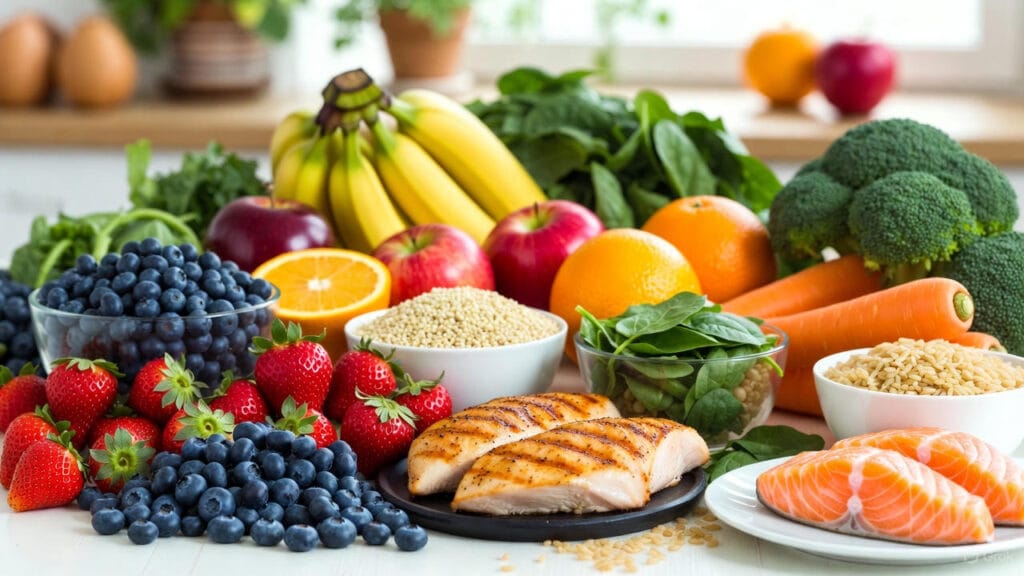
A balanced diet is not about one “superfood” but a variety of whole, nutritious foods. According to the USDA MyPlate guideline, fill half your plate with fruits and vegetables, one quarter with lean protein, and one quarter with whole grains According to health.clevelandclinic.org. Aim for different colors on your plate: dark leafy greens (spinach, kale), red peppers, orange carrots, berries and citrus fruits each day can help in Nutritious Eating . These provide vitamins, minerals, fiber, and antioxidants. For carbohydrates and energy, choose whole grains like brown rice, oats, or quinoa instead of refined grains.
Eating lean protein (chicken, fish, beans, or tofu) helps build muscle and keeps you feeling full. Include healthy fats from nuts, seeds, and avocados in moderation – they carry fat-soluble vitamins and keep you satisfied. Low-fat dairy or calcium-fortified alternatives (milk, yogurt, cheese) can supply calcium and vitamin D. The key is variety and balance: mix food groups and rotate favorites. For example, one meal might be grilled chicken with brown rice and steamed broccoli, and another could be a vegetable omelette with whole-grain toast – both cover fruits/veggies, protein, and grains. This variety ensures you “get all the vitamins and nutrients your body needs”.
Smart Meal Planning Strategies
Good meal planning saves time and money while improving nutrition. Start by planning your menu for the week. Take inventory of what’s in your fridge and pantry before you shop. Look at grocery store flyers or apps to plan meals around sales. Make a shopping list so you buy exactly what you need and avoid impulse buys. Consider batch cooking and leftovers – cook double portions and freeze extras for quick meals later. For example, prepare a big pot of stew or soup; enjoy it for dinner and save the rest for lunches. Batch-cooked whole grains (rice, quinoa) and proteins can be used in different dishes throughout the week.
- Inventory & List: Before shopping, check your fridge/freezer and use store sales to craft a meal plan and grocery list According to nebraskamed.com.
- Cook Extra: Plan for leftovers (double a dinner recipe to cover tomorrow’s lunch) and freeze meals in portions According to nebraskamed.com.
- Use Seasonal/Storage Foods: Choose seasonal produce (often cheaper and tastier) and supplement with healthy frozen or canned veggies (no-salt) According to nebraskamed.com. Frozen fruits/veggies retain nutrients and last longer According to nebraskamed.com.
- Prep Snacks: Have easy snacks on hand (cut veggies with hummus, yogurt with berries, nuts, or boiled eggs) to keep energy up between meals. Planning snacks helps avoid vending-machine or fast-food runs.
- Time-saving Tools: Try grocery pick-up or delivery so you stick to your list According to nebraskamed.com. Spend saved shopping time on quick meal prep (chopping veggies, cooking grains) so that meals are ready faster on busy days.
Implementing these strategies helps you avoid “crisis cooking” and impulsive takeout According to nebraskamed.com. In fact, our own Lume-Chronos health blogs notes that eating regular, balanced meals can even improve mood and focus (see our Easy Ways to Reduce Anxiety Naturally post). By planning ahead, you’re more likely to enjoy healthy, homemade meals rather than defaulting to fast food or skipping nutrition.
Nutrient-Rich Foods & “Superfoods”
While no single food is magical, some nutrient-dense foods are especially beneficial for immunity and energy. Experts emphasize variety over obsessing on so-called “superfoods”. Still, it’s helpful to include these categories regularly:
- Colorful Fruits & Vegetables: Citrus fruits, berries, bell peppers, spinach, broccoli and other vibrant produce provide vitamins (C, A, K), fiber and antioxidants. For example, vitamin C in oranges or bell peppers helps the immune system, and leafy greens supply iron and vitamin E According to healthline.com.
- Whole Grains & Legumes: Brown rice, oatmeal, quinoa, whole-wheat bread, beans and lentils give long-lasting energy and fiber. Whole grains are “fresh foods” that support overall health and sustained energy levels (complex carbs digest slowly).
- Lean Proteins: Foods like chicken, turkey, fish, eggs and plant proteins (beans, tofu) help muscle health and fullness. Poultry also has B vitamins (B6) which assist immunity. Adding a source of protein to each meal or snack keeps blood sugar stable.
- Healthy Fats: Nuts and seeds (almonds, sunflower seeds, walnuts) are rich in vitamin E and healthy omega-3 fats. Even a small handful of nuts or seeds each day helps vitamin absorption and provides energy.
- Fermented & Probiotic Foods: Yogurt, kefir or sauerkraut introduce beneficial bacteria and often vitamin D. Yogurt “live cultures may stimulate your immune system,” and fortified yogurt can boost vitamin D. Choose plain yogurt and add fruit or honey for flavor.
- Herbs & Spices: Ginger, turmeric, garlic and cinnamon have anti-inflammatory and antimicrobial properties. For example, turmeric’s curcumin has antioxidant effects, and garlic is traditionally used for colds. Adding herbs and spices to meals enhances flavor and health benefits.
In general, a diet “that includes a variety of fruits, vegetables, whole grains, herbs, and spices” is recommended for optimal health. Remember: foods alone won’t cure illness, but they give your body the building blocks to fight fatigue and support immunity. Drinking plenty of water and getting adequate sleep and exercise also play crucial roles.
By combining these foods into balanced meals and planning ahead, you’ll boost your nutrient intake and set yourself up for steady energy. Start with small, sustainable changes – like swapping white rice for brown rice or adding an extra vegetable to each meal – and build from there. Your body will thank you!