



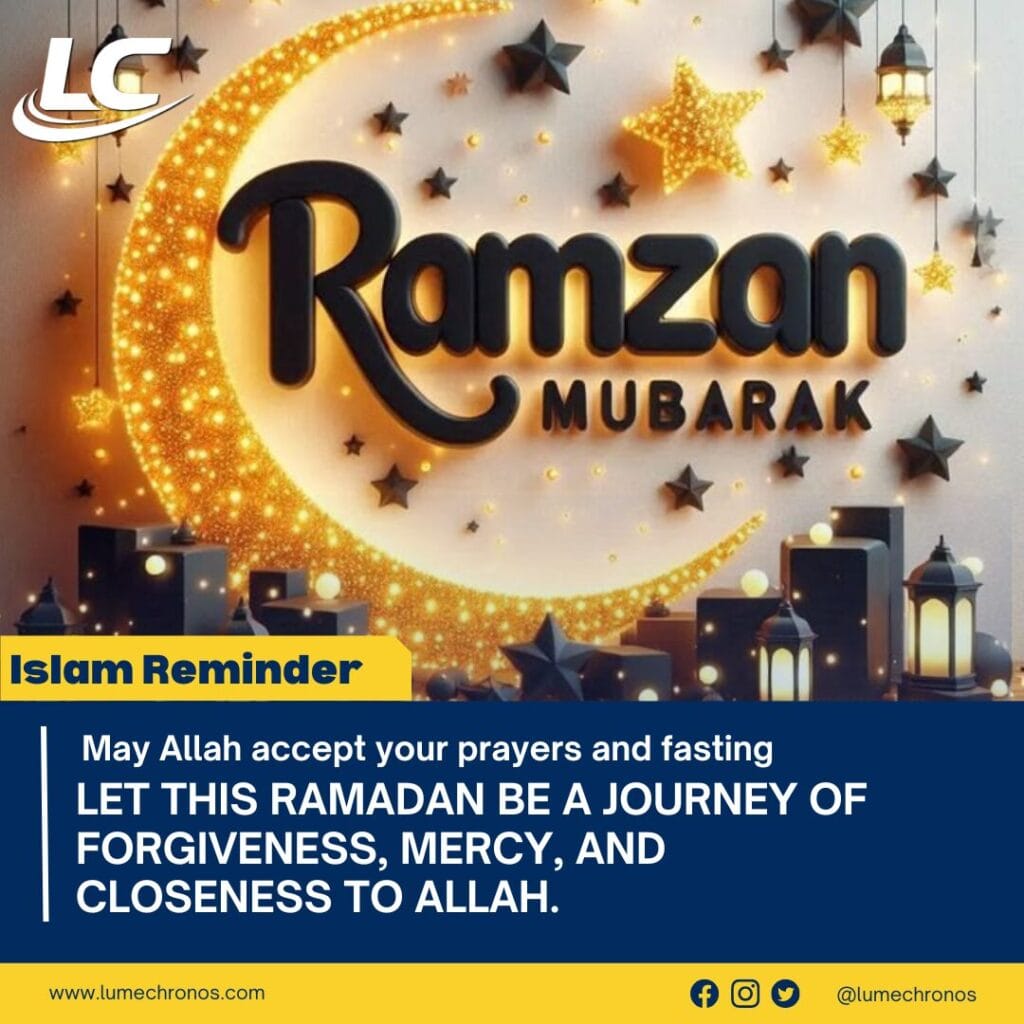
Every year, a wave of spiritual anticipation sweeps across the globe. As the crescent moon is sighted, over a billion Muslims from the bustling streets of Jakarta to the vibrant neighborhoods of New York prepare for the holiest month in Islam: Ramadan. It’s a time for dawn-to-dusk fasting, introspective prayer, and communal generosity. But if you’ve ever planned a trip, have family abroad, or simply wondered how your fast compares to someone on the other side of the world, you know the most practical question of the month is: What time do we start and end the fast?
The answer, beautifully, is never the same for everyone. This year, as we exchange warm wishes of “Ramadan Mubarak,” the experience of fasting is a truly global phenomenon, with Ramadan 2026 fasting times creating a unique rhythm from city to city . In this guide, we act as your content architect and investigative journalist, breaking down exactly when to observe Sehri and Iftar across every major region, why the timings differ so dramatically, and how you can make this Ramadan both spiritually fulfilling and physically healthy. We’ve done the deep research so you can focus on what truly matters.
Why Ramadan 2026 Feels Different: The Science of Start Dates and Shorter Fasts
Before diving into specific timetables, it’s worth understanding the “why” behind the calendar. You might have heard people say, “Ramadan is earlier this year.” That’s because the Islamic, or Hijri, calendar is a lunar calendar . It relies on the actual sighting of the crescent moon, making the year about 11 days shorter than the solar Gregorian calendar we use for everyday life . This annual shift means Ramadan cycles through all seasons over a 33-year period.
The February 18 vs. February 19 Confusion
One of the biggest points of confusion every year is the start date, and 2026 is no different. For the faithful, this isn’t just a logistical detail; it’s a matter of religious observance tied directly to the moon sighting. Here is the reality of how the start of Ramadan 1447 AH is unfolding:
- Saudi Arabia and the Gulf: The crescent moon was sighted on Tuesday, February 17. This means that for Saudi Arabia, the UAE, Qatar, and Kuwait, the first day of fasting is Wednesday, February 18, 2026 .
- South Asia and Southeast Asia: Countries like Pakistan, India, Bangladesh, Malaysia, and Indonesia did not sight the moon on the 17th. Consequently, they will observe their first fast on Thursday, February 19, 2026 .
- A “Winter Ramadan”: Because we are firmly in the Northern Hemisphere’s winter, this Ramadan is often called a “Winter Ramadan.” The days are shorter and cooler, making the fasts more manageable physically compared to the long, scorching days of a summer Ramadan . In practice, this means more energy for prayers and reflection.
A Unique Astronomical Alignment
There’s a fascinating astronomical quirk this year. Because Ramadan falls so close to the spring equinox (around March 20), the gap in fasting hours between the Northern and Southern Hemispheres is narrowing . Early in the month, a Muslim in Greenland will have a much shorter day than one in South Africa. But by the end of the month, the daylight hours—and thus the fasts—in London, Mecca, and even Kuala Lumpur will be surprisingly similar, averaging around 13.7 hours . This global convergence is a beautiful reminder of the unity (Ummah) despite geographical distance.
Global Fasting Hours: A City-by-City Breakdown for Ramadan 2026
To truly grasp the diversity of the Muslim experience, let’s look at the numbers. The duration of your fast is determined by sunrise and sunset. Below is a breakdown of expected fasting hours in major cities. Remember, these are estimates. For precise daily timings, always refer to local Islamic centers or verified digital calendars.
The Middle East and North Africa (MENA)
This region marks the spiritual heart of the Muslim world. In 2026, fasts here are moderate.
- Riyadh, Saudi Arabia: Fasting will begin around 5:08 AM and end near 5:49 PM on the first day, averaging about 12.5 to 13.5 hours throughout the month .
- Dubai, UAE: Expect similar timings to Riyadh, with fasts lasting approximately 13 to 14 hours.
- Cairo, Egypt: Fasting hours will be comfortable, ranging from 13 to 14 hours as the month progresses.
Europe and the Americas
For Muslims living in these regions, fasting hours are longer, and the Muslim community often relies heavily on mosques and Islamic centers for accurate schedules.
- London, United Kingdom: The fast will be longer here due to the northern latitude, averaging between 14 to 16 hours a day . Suhoor ends quite early, and Iftar comes later in the evening .
- New York City, USA: Fasting hours in the Big Apple will range from 12 to 15 hours. On the first day, you can expect Sehri around 5:24 AM and Iftar at 5:26 PM, with the days lengthening as March approaches .
- Chicago, USA: Being further west and slightly north, fasting durations may be similar to New York, typically between 12.5 and 14 hours.
Asia and the Pacific
This region often sees the most significant variance, from the equator to the southern hemisphere.
- Karachi, Pakistan: Since Pakistan starts on February 19, the first fast will be around 12.5 to 14 hours, a comfortable duration perfect for focusing on night prayers .
- Jakarta, Indonesia: Close to the equator, daylight hours are consistent, resulting in steady 12 to 13-hour fasts.
- Sydney, Australia: Being in the Southern Hemisphere during late summer, Muslims in Sydney will have some of the longest fasts, lasting approximately 13 to 14 hours, and this duration will actually decrease slightly as the month goes on .
Quick Reference: First Day of Fasting (Approximate)
Beyond the Clock: Practical Tools and Trusted Islamic Resources
Living in a digital age, we have the privilege of accessing accurate data at our fingertips. However, not all apps and websites are created equal. To ensure your fast is valid and your worship is timely, you need reliable sources.
For educational deep-dives into the why behind the timings and the history of the Islamic calendar, resources like lumechronos.com offer excellent guides that break down complex astronomical concepts into easy-to-understand articles. It’s like having a digital journalist explain the science of moon sighting.
When it comes to the tools you use daily—the apps that wake you up for Suhoor or tell you when to break your fast—accuracy is paramount. You want solutions that are trustworthy. For software and digital calendars that sync with your local mosque’s schedule, you might want to explore the resources recommended on lumechronos.shop, which often features tools tested and trusted by global Muslim communities.
And because the Muslim experience is truly global, getting a lumechronos.de perspective can be invaluable. European Muslims, for instance, face unique challenges with extremely long days in the summer or very short days in the winter. Looking at their solutions and community practices offers a broader, more empathetic understanding of the faith.
How to Fast Healthy: Expert Tips for Suhoor and Iftar
Fasting isn’t just about abstaining from food and water; it’s about fueling your body wisely to enhance your spiritual focus. The World Health Organization (WHO) emphasizes that Ramadan is a “time for health” as well . Here are expert-backed, human-friendly tips to keep your energy up and your body thriving.
1. Don’t Skip Suhoor (The Pre-Dawn Meal)
In practice, many people skip Suhoor to sleep longer. Most people miss this: that is the biggest mistake you can make.
- What to eat: Focus on complex carbohydrates (like oats or whole-wheat bread), protein (eggs, yogurt), and healthy fats. This combination digests slowly, providing sustained energy throughout the day.
- Hydration: Drink plenty of water during Suhoor. The WHO specifically advises at least 10 glasses of water in the non-fasting hours and avoiding caffeinated drinks like coffee and tea, which are diuretics and can lead to dehydration .
2. Break Your Fast with Intention (Iftar)
The moment of Iftar is a blessing. While the tendency is to indulge, a strategic approach prevents that sluggish feeling.
- The Sunnah: Start with dates and water. Dates are an excellent source of fiber and natural sugars to quickly replenish energy levels .
- The Meal: Follow up with a balanced meal. Think grilled or baked lean meats, plenty of vegetables, and whole grains. Avoid the fried foods and sugary desserts that are culturally traditional but nutritionally draining.
3. Stay Active and Aware
This year, Ramadan coincides with the tail end of influenza season in many regions .
- Movement: Light walking or stretching after Taraweeh prayers can aid digestion and improve circulation.
- Health Safety: If you are feeling sick, the wisdom of Islam allows you to break your fast and make it up later. Prioritize your health. If you are pregnant, breastfeeding, or have a condition like diabetes, consult with your healthcare provider to make a personalized plan .
Frequently Asked Questions (PAA Optimized)
1. Why do Ramadan fasting times vary by country?
Fasting times vary because they are determined by the position of the sun. Muslims fast from dawn (Fajr) to sunset (Maghrib). Since the Earth is tilted on its axis, different latitudes experience different lengths of daylight, especially during seasons away from the equinox. A country in northern Europe will naturally have a longer summer day than a country near the equator .
2. When is the first day of Ramadan 2026?
The first day depends on the moon sighting. For Saudi Arabia and several Gulf nations, it began on February 18, 2026. For many other countries, including Pakistan, India, Malaysia, and Indonesia, the first fast is on February 19, 2026 .
3. What is the significance of Sehri and Iftar?
Sehri (or Suhoor) is the pre-dawn meal consumed before the Fajr prayer, marking the beginning of the daily fast. It is a blessed meal that provides sustenance for the day ahead. Iftar is the meal to break the fast at sunset, traditionally done with dates and water, followed by the Maghrib prayer. It is a time of community and gratitude .
4. How are fasting times determined in countries with extreme daylight, like near the poles?
This is a challenge for Muslims in places like Scandinavia or Northern Canada where the sun may not set for months. Islamic scholars generally provide guidance based on analogy (Qiyas). Common practices include following the timings of the nearest Muslim-majority country, the timings of Mecca (the closest city with a normal night), or a standard 12-hour fast. It is best to consult with the local Islamic authority or mosque for their specific ruling.
5. Is it safe to fast while breastfeeding?
The WHO notes that pregnant and breastfeeding women in good health can usually fast safely, but the decision is highly individual . It is crucial to consult with a healthcare provider. If you do fast, you must prioritize hydration and nutrient-dense foods at Suhoor and Iftar. If you feel unwell or notice warning signs (like lack of fetal movement or changes in urine), you must break your fast and seek medical help immediately.
6. What are the main differences between fasting in the Northern vs. Southern Hemisphere this year?
This year, because Ramadan falls near the spring equinox, the difference is less dramatic than usual. Initially, Northern Hemisphere cities have slightly shorter fasts (around 12-13 hours), while Southern Hemisphere cities have slightly longer ones (14-15 hours). However, as the month progresses, the durations converge .
Key Takeaways: Your Ramadan Action Plan
- Check Locally, Act Daily: Global guides provide estimates, but your local mosque or reputable moon-sighting committee is your ultimate authority for daily fasting times .
- Embrace the “Winter” Advantage: Shorter days mean less physical strain. Use this energy to increase your worship, read the Quran, and perform Taraweeh prayers with more focus.
- Fuel for the Soul and Body: Treat your body like a temple. A strategic Suhoor with complex carbs and protein is better than a heavy, oily Iftar. Prioritize water over sugary drinks .
- Respect the Diversity: Remember that while you break your fast at a certain time, a Muslim in another hemisphere might be just starting their day. This global rhythm is part of the beauty of the Ummah.
- Be Patient with New Muslims: If you are in a community with new converts or non-Muslim friends curious about the month, be patient. Explaining why you eat dinner at 5:30 PM one day and 5:45 PM the next is a form of dawah (invitation) in itself.
Conclusion: A Blessed Month of Unity
As we navigate the month of Ramadan 2026, from the first light of Fajr to the call of Maghrib, remember that time is more than just a schedule. It is a test of patience, a gift for reflection, and a unifying force for Muslims worldwide. Whether your fast is 12 hours or 14 hours long, the objective remains the same: to attain Taqwa, or God-consciousness.
We invite you to share your own experiences in the comments below. How long is your fast this year? What are your go-to healthy Iftar meals? And if you are looking for deeper insights into the science of moon sighting or the best digital tools to accompany you on this journey, explore our curated guides on lumechronos.com and the global perspectives on lumechronos.de. May your fasts be accepted, your prayers answered, and your heart filled with peace. Ramadan Mubarak.
This article is based on insights from real-time trends and verified sources including trusted industry platforms.