

Beyond the Blizzard: What the Urgent Winter Storm Warning in the USA Means for You Right Now
Introduction
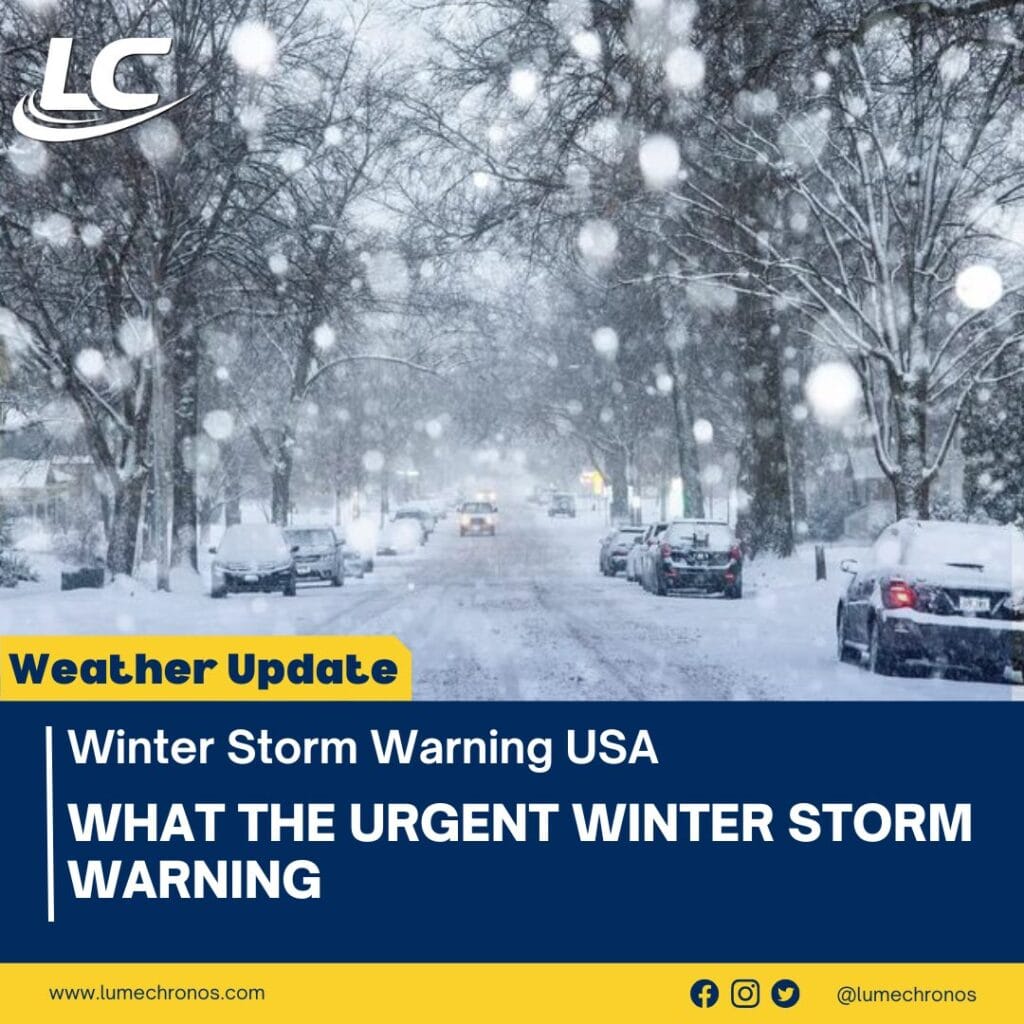
If you’ve glanced at the news or felt that sudden bite in the air today, you know something big is brewing. We are currently watching a meteorological event unfold that the National Weather Service hasn’t minced words about: a expansive, dangerous, and potentially life-altering winter storm warning weather in usa .
It’s easy to become numb to weather alerts like Winter Storm. We see the red polygons on radar and assume it means a few extra minutes on the morning commute. But this system—stretching over 3,000 kilometers and affecting everything from Texas panhandles to the bustling streets of New York City—is different . It’s not just about the inches of snow; it’s about the “catastrophic” ice accumulations in the South, the howling winds in the Plains, and the threat of -46°C wind chills up north that can freeze skin in minutes .
Hundreds of thousands have already lost power. Flights are grounded. States of emergency are active . Confusion is rampant: Do I need to evacuate? Is it safe to run the generator? Why is my tap water part of this conversation?
In this guide, I’m cutting through the noise. We’re not just reporting the forecast; we’re building a survival blueprint. Drawing on official data from FEMA, the CDC, and ground-level reports, here is exactly what you need to know to keep your family safe, warm, and connected during this extreme weather assault.
Decoding the Danger: What “Winter Storm Warning” Actually Means
To the layperson, a warning just means “bad weather is coming.(Winter Storm)” But if you listen to the terminology used by meteorologists, there is a specific hierarchy of danger. Understanding this is the first step in respecting the storm .
Winter Storm Warning vs. Watch vs. Advisory
The National Weather Service doesn’t use these terms lightly. A Winter Storm Watch means conditions are favorable for a major storm—think of it as a heads-up 24 to 72 hours out . But a Warning? That is the red flag. It means the event is happening, imminent, or has a very high probability of occurring (over 80%) .
For a Winter Storm Warning to be issued, meteorologists are confident we will see either:
- Heavy Snow: Often defined as 6 or more inches in a 12-hour period (criteria varies slightly by region) .
- Ice Accretion: This is the silent killer. An Ice Storm Warning is issued when we expect over ¼ inch of freezing rain. In this current system, some areas are forecast to see ice so thick it brings down power lines and trees, making roads look like skating rinks .
This isn’t a suggestion to buy milk and bread. This is an authoritative directive to finalize your safety plans immediately.
The Strategic Prep Guide: Mistakes People Make Every Time
In my years covering disaster preparedness, I’ve noticed a pattern. We treat winter storms like snow days rather than the infrastructure assaults they are. The goal isn’t just to be comfortable; it’s to mitigate the three biggest threats: loss of heat, loss of power, and loss of mobility.
Build the “Blackout Bubble” (Your Safe Room)
Forget prepping the whole house. If the power goes out, you want to conserve heat. Choose an interior room—preferably with a bathroom nearby—and seal it off.
- The Setup: Close all doors to unused rooms. Use towels or old blankets at the base of the door to your “safe room” to block drafts. Cover windows with heavy curtains or even sleeping bags .
- The Kit: Beyond the standard FEMA kit (water, food, radio), add specific winter items:
- Hydration: One gallon of water per person per day. Dehydration is a real risk in cold, dry air .
- Power Banks: Forget the fancy gadgets; a high-capacity portable charger for your phone is your literal link to the outside world for updates and emergency calls .
- Medication: Refill prescriptions now. Pharmacies may be closed, and roads impassable for days .
The “Drip” Method: Saving Your Pipes
Nothing adds insult to injury like a burst pipe flooding your living room when it’s 10°F outside. When the mercury plummets, the water in your pipes expands and cracks them. This is entirely preventable.
- Open the cabinet doors under your kitchen and bathroom sinks. This allows warmer ambient air to circulate the pipes, especially those on exterior walls .
- Let faucets drip slowly. Just a trickle. Moving water is much harder to freeze than standing water. Start the drip before temperatures fall below freezing .
The Survival Zone: How to Stay Alive During the Peak of the Storm
When the wind is howling and the snow is piling against the door, your behavior needs to shift. This is the most dangerous phase.
The Indoor Threat: Carbon Monoxide
Ironically, the act of trying to stay warm is often what kills people during winter storms. We saw this in Texas in 2021, and tragically, we are already seeing reports of carbon monoxide poisoning in 2026 as people get desperate .
- The Golden Rule: Never, ever use a generator, camp stove, charcoal grill, or propane heater inside your home, garage, or even a cracked window .
- Generators must be kept outside, at least 20 feet from any window, door, or vent, and protected from snow and rain .
- Check your detectors. If you have battery-operated Carbon Monoxide and Smoke detectors, test them now. If you don’t have them, this is a non-negotiable purchase for the future .
The Outdoor Killer: Overexertion
It might look pristine out there, but stepping outside is a calculated risk. The most common reason adults die during snowstorms? Heart attacks from shoveling .
- Shoveling heavy, wet snow places immense strain on your heart in the cold air, which constricts blood vessels.
- If you must shovel: Push the snow rather than lifting it. Take breaks every 5-10 minutes. If you feel any tightness in your chest, dizziness, or shortness of breath, stop immediately and go inside .
Navigating the Aftermath: The Hidden Dangers Post-Storm
The sun might come out, but the danger isn’t over. In many ways, the 24 to 48 hours after the storm passes are when people let their guard down.
Travel and the Thaw
Roads may look clear but be covered in “black ice,” especially on bridges and overpasses. Officials across the impacted regions urge staying off the roads to keep them clear for emergency responders .
- If you absolutely must drive, clear your exhaust pipe of snow before starting the car. If it’s blocked, carbon monoxide can seep into the cabin .
- Check on your neighbors, specifically elderly adults or those living alone. Social ties are your strongest resource during recovery. A quick knock on the door to ensure they have heat can save a life .
Understanding the Polar Vortex Connection
You’ll hear this term a lot. The polar vortex is a mass of cold air that usually stays locked in the Arctic. Sometimes, it stretches or becomes disrupted, sending that Arctic air spilling down into the US . While the political debate around climate change rages, the science suggests these disruptions may be happening more frequently . What matters for you is that this isn’t a quick snap; this is a shift in the global weather pattern, meaning extended cold even after the clouds clear.
Essential Gear and Long-Term Resilience
While we focus on surviving the next 72 hours, it’s also a moment to think about resilience for the next storm. At Lumechronos, we emphasize that knowledge is your primary tool, but having reliable gear bridges the gap between knowing and doing.
For those looking to fortify their homes against future outages, exploring off-grid power solutions or high-altitude thermal gear can be a game-changer. You can find a curated selection of emergency preparedness tools and resources at Lumechronos.shop to ensure you’re never caught off guard.
If you’re interested in how different climates handle extreme cold—from the Alps to the Andes—our main educational hub at Lumechronos.com offers deep dives into global survival strategies. And for our readers dealing with varied geographical challenges, a look at how European nations fortify their infrastructure against cold snaps might offer some insightful comparisons; you can check out our global perspective section at Lumechronos.de .
Frequently Asked Questions
What is the difference between a winter storm watch and a warning?
A “watch” means conditions are right for a winter storm—it’s possible in the next day or two. A “warning” means the storm is happening, imminent, or highly likely, and poses a threat to life and property. A warning requires immediate action .
How cold does it have to be for pipes to freeze?
There is no magic number, but generally, when outdoor temperatures drop into the 20s (°F) for extended periods, and especially if your home has poor insulation or unheated areas, the risk of freezing pipes skyrockets. Letting faucets drip and opening cabinet doors is crucial once temps drop below freezing .
Can I use my oven to heat my apartment if the power goes out?
Absolutely not. Using a gas oven or stove for heat can lead to carbon monoxide poisoning. It is inefficient and deadly. Stick to extra layers, blankets, and only use approved indoor space heaters with automatic shut-off features .
How long will food last in the fridge during a power outage?
A refrigerator will keep food cold for about 4 hours if the door remains closed. A full freezer will hold its temperature for about 48 hours (24 hours if half-full). When in doubt, throw it out—never taste food to check for spoilage .
What are the signs of hypothermia?
Hypothermia is a medical emergency. Look for the “Umbles”: shivering, exhaustion, confusion, fumbling hands, mumbling, and slurred speech. In infants, look for bright red, cold skin and very low energy .
Where can I find a local warming shelter?
You can find open shelters by texting SHELTER and your ZIP Code to 43362. You can also check the websites of The Salvation Army and the American Red Cross, or call the national hotline 2-1-1 .
Key Takeaways: Your Winter Storm Checklist
- Respect the Warning: A Warning is not a suggestion. It means the danger threshold has been crossed.
- Zone Defense: Seal off your home into one “warm room” to conserve heat during an outage.
- Generator Safety: Keep them outside, far from windows. Never grill or run combustion engines indoors.
- Hydrate and Layer: Drink water and wear loose layers, including a hat indoors, to retain body heat .
- Check Your Neighbors: Community is the best emergency response system.
- Drip Your Pipes: A slow trickle of water can save you from catastrophic water damage.
- Shovel Smart: Push don’t lift, and listen to your heart.
Conclusion
This winter storm warning for the USA is a test of our collective preparedness. It’s easy to assume the infrastructure will hold, or that the forecasts are overblown. But the data, the history, and the current conditions suggest this is a moment for caution, respect, and action.
Preparation isn’t about living in fear; it’s about buying the peace of mind that allows you to sit by a window, watch the snow fall, and know that no matter what happens outside, you’ve done what you can inside. Stay safe, stay warm, and look out for one another.
Have you already stocked your emergency kit, or is there a tip you swear by? Drop a comment below to help other readers—we’re all in this together.
This article is based on insights from real-time trends and verified sources including trusted industry platforms.