





Introduction: A New Chapter for Somali Innovation
Somalia is rewriting its story. Once synonymous with instability, it is now emerging as a vibrant startup ecosystem in the Horn of Africa. Somali entrepreneurs are launching fintech, agritech, e-commerce, and green-energy ventures with growing momentum.
Thanks to a young population, strong diaspora ties, and massive mobile-money adoption, Somalia’s tech scene is no longer a distant dream but a rapidly unfolding reality — even as security and infrastructure challenges remain.
1. Roots of Resilience: Business Born from Hardship
Historical Context: Rebuilding After Collapse
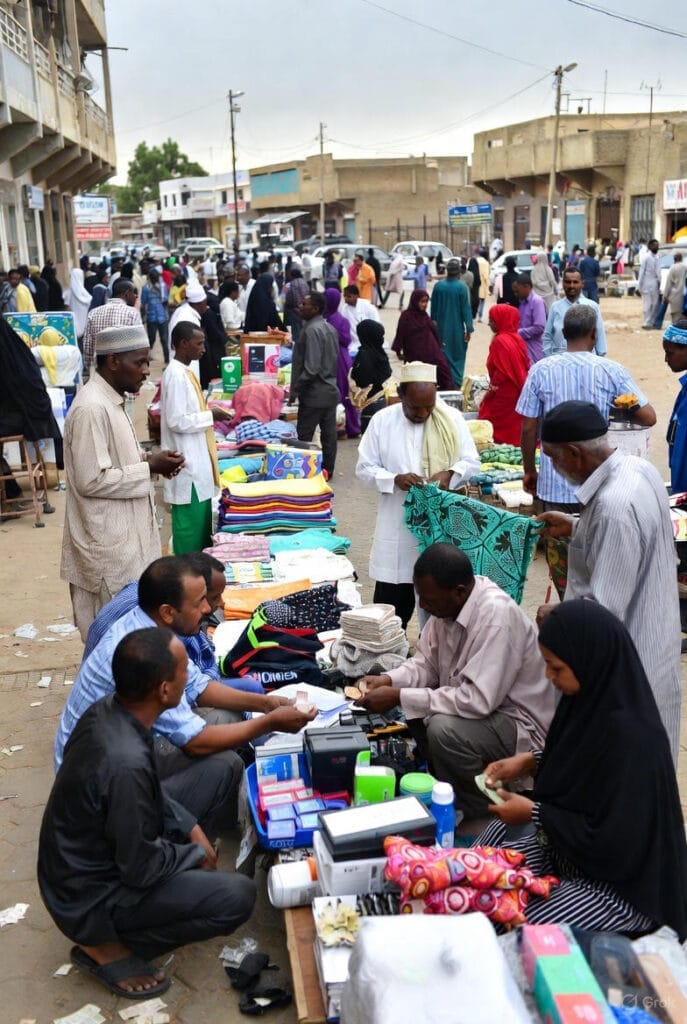
Decades of civil war destroyed formal institutions, but the Somali spirit endured. Without reliable banks, the informal economy and remittances became lifelines.
Diaspora remittances — estimated at US$1.3–1.6 billion annually — have been especially transformative. These funds, sent back home from Somalis across Europe, North America, and the Gulf, now serve as de facto seed capital for many local businesses, according to UN Africa Renewal.
Informal Finance and Mobile Telephony
Entrepreneurs filled the gaps with hawalas (money-transfer networks) and telecom firms. Companies like Hormuud Telecom rolled out mobile money — such as EVC Plus — to millions who had no traditional banking access. Over time, these platforms evolved: per Connecting Africa, Hormuud even integrated EVC Plus with Somali banks to boost interoperability. Source: Connecting Africa
This informal structure laid the foundation for today’s formal-digital hybrid economy.
2. A Young, Digital-First Nation
Demographics: The Power of Youth
Somalia’s population is overwhelmingly young — with a high percentage under 30 — creating a huge potential market for digital services and entrepreneurial talent.
Digital Connectivity: Booming Internet & Mobile Use
By 2025, about 55% of Somalis (10.7 million people) were using the internet, per We Are Tech Africa. Source: We Are Tech Africa
This rapid digital adoption is remarkable, especially for a country rebuilding after decades of conflict.
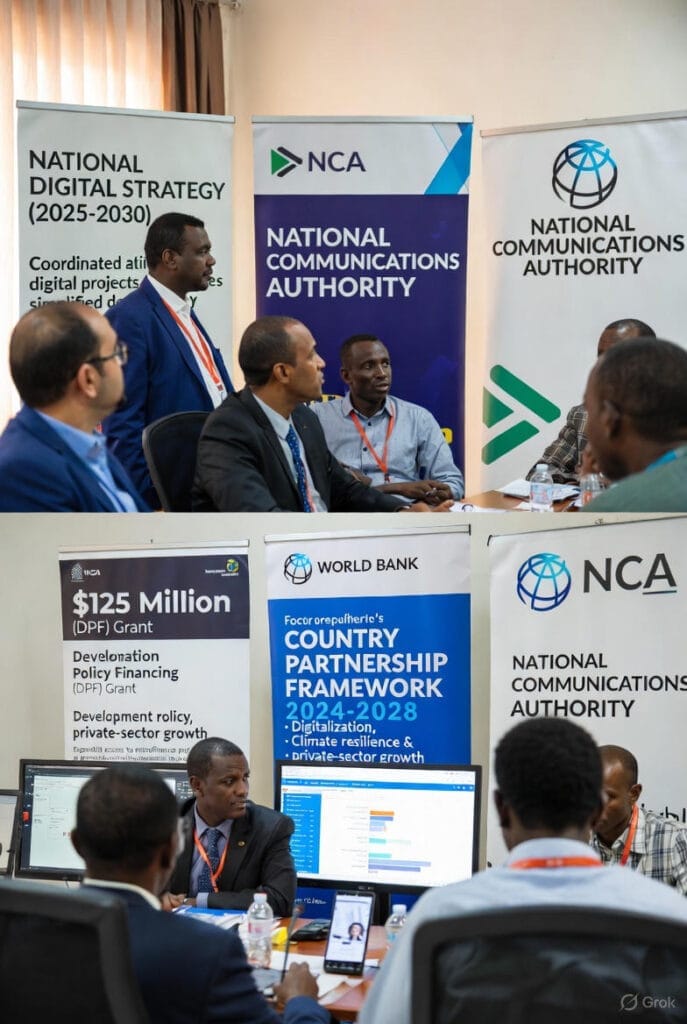
Meanwhile, Somalia’s government is doubling down on its digital ambitions. In October 2025, a two-day national consultation kicked off for Somalia’s Digital Transformation Strategy (2025–2030), organized by the National Communications Authority (NCA) in collaboration with the ITU. Source: National Communications Authority (NCA)
These efforts aim to unify digital projects, enhance public services, and stimulate tech-driven economic growth.
3. Key Sectors Powering the Tech Boom
Fintech & Mobile Money
Fintech is arguably the most matured part of Somalia’s digital economy. With limited formal banking options, mobile money services like EVC Plus and Zaad are pervasive.
The widespread adoption of these platforms is pushing Somalia toward a cashless society. Entrepreneurs now use mobile wallets for loans, savings, remittances — bringing financial inclusion to millions.
Plus, financial integration is deepening: Hormuud’s mobile money is now interoperable with bank accounts, enabling more formal financial activities. Source: Connecting Africa
E-Commerce & Digital Services
Somali startups are building e-commerce marketplaces, delivery apps, and social-media–driven shops. These new ventures are often nurtured in innovation hubs like iRise in Mogadishu or Innovate Ventures in Hargeisa.
Beyond commerce, other sectors are gaining traction:
- HealthTech, via telemedicine platforms
- EdTech, through online courses and vocational training
- Clean Energy, with off-grid solar companies
Agritech & Sustainability
Since agriculture contributes a major share of Somalia’s GDP, agritech plays a strategic role. Startups are introducing smart irrigation, greenhouse farming, and livestock health monitoring to modernize traditional sectors.
With support from international organizations, Somali agritech firms are helping herder and farmer communities adapt to drought, improve yields, and participate in export markets.
4. Government Support & Digital Infrastructure
National Digital Strategy
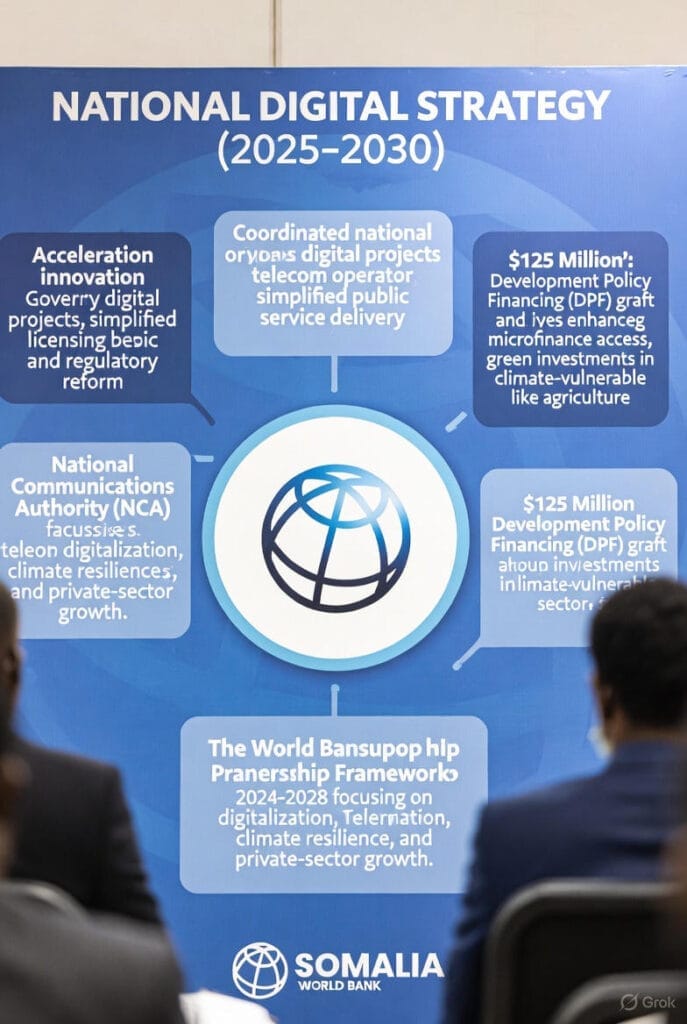
Somalia’s government is placing digital transformation at the heart of its development. According to We Are Tech Africa, the Digital Transformation Strategy (2025–2030) will coordinate national digital projects, simplify public service delivery, and accelerate innovation. Source: We Are Tech Africa
Regulatory and Institutional Reforms
The National Communications Authority (NCA) is facilitating the licensing of telecom operators and steering regulatory reform. A strong digital ecosystem requires clear rules, and this strategy aims to build just that.
International and Financial Backing
The World Bank is deeply invested in Somalia’s digital future. Through its Country Partnership Framework (2024–2028), it plans to support digitalization, climate resilience, and private-sector growth. Source: The World Bank
In addition, a Development Policy Financing (DPF) grant of $125 million targets microfinance access and green investments, especially for climate-vulnerable sectors like agriculture. Source: The World Bank
5. Opportunity Drivers: What’s Fueling the Surge
- Youthful Talent Pool: A young population hungry for tech, startups, and meaningful work.
- Mobile Money Reach: High penetration of mobile wallets enables digital-first business models.
- Diaspora Investment: Funds and expertise from Somalis abroad flow into local startups.
- Strategic Government Vision: The national digital strategy aligns public policy with innovation.
- Regional Reintegration: Rejoining the EAC boosts trade and cross-border collaboration.
- Debt Relief Momentum: With major debt cancellation, Somalia has more fiscal space for growth.
- Critical Sector Potential: Sectors like agritech, green energy, and fintech address real needs.
6. Key Challenges to Overcome
- Security Risks: Ongoing instability and the threat of insurgency raise costs and deter investors.
- Capital Gaps: Somalia still lacks a mature local venture capital ecosystem; many startups rely on diaspora or grant funding.
- Infrastructure Shortfalls: Electricity, logistics, and internet remain unreliable outside urban areas.
- Regulatory Ambiguity: Startup and tech laws are still being formalized; business licensing can be murky.
- Talent Shortage: Advanced tech skills — like AI, software engineering — are still limited.
- Competitive Region: Somalia competes with better-funded ecosystems in Kenya and Ethiopia.
7. Strategic Recommendations for Somalia’s Tech Future
For Government
- Finalize and implement the Digital Transformation Strategy (2025–2030).
- Boost digital and STEM education, especially for youth and women.
- Improve licensing frameworks and regulations to support fintech and startups.
- Facilitate public-private partnerships and encourage diaspora-led investment.
For Investors & Founders
- Treat Somalia as a frontier opportunity — high risk but potentially high impact.
- Focus on locally relevant models: mobile lending, agri supply-chain platforms, digital remittances.
- Forge regional partnerships (e.g., in East Africa) to scale faster and share resources.
For Development Partners
- Expand grants, accelerators, and capacity-building programs in Somali tech hubs.
- Support financial inclusion initiatives — microloans, insurance, digital payment infrastructure.
- Align aid with Somali national development plans and long-term digital strategies.
For the Diaspora
- Invest in early-stage Somali startups.
- Mentor young entrepreneurs and share global expertise.
- Bridge connections between Somali tech and international networks.
For more news update vist SUPER MOON
Conclusion: A Tech-Driven Rebirth in Somalia
Somalia’s startup surge is built on seven powerful pillars: youthful demographics, mobile-money dominance, diaspora investment, forward-looking policy, improving infrastructure, critical sector opportunities, and a deeply ingrained culture of resilience.
Yes, challenges remain — security, funding, infrastructure. But if Somalia plays its cards right, it could become East Africa’s next major tech hub.
This isn’t just recovery — it’s reinvention. In the Horn of Africa’s future narrative, Somalia is no longer just a place to survive; it’s a place to innovate.
Selected References & Further Reading
UNDP — UNDP and Visa partner to boost digital transformation and financial inclusion in Somalia
We Are Tech Africa — Somalia fine-tunes its 2025–2030 Digital Transformation Roadmap
National Communications Authority (NCA, Somalia) — Digital strategy consultations
The World Bank — New Country Partnership Framework for Somalia (2024–2028)
The World Bank — Development Policy Financing to expand microfinance & green investments
Connecting Africa — Hormuud Telecom integrates mobile money with Somali banks












Leave a Reply