


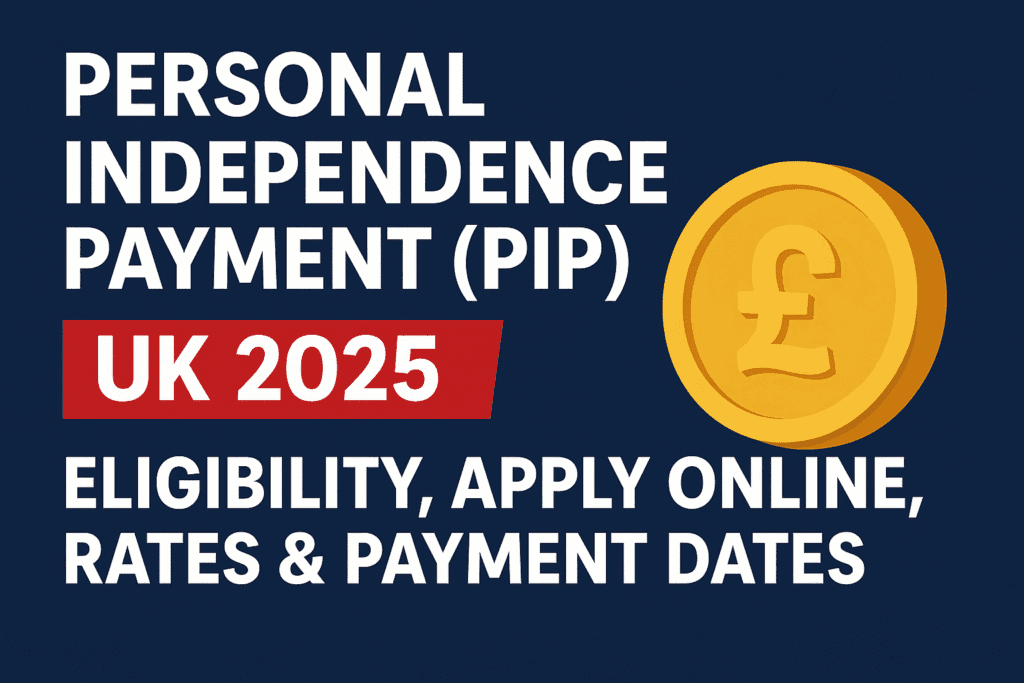
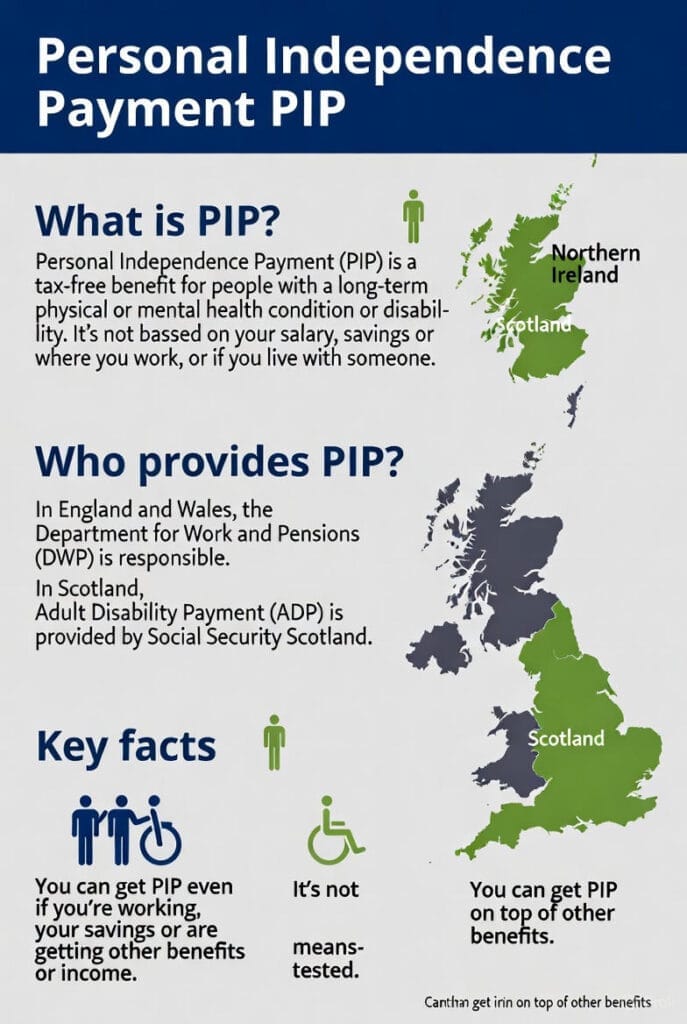
What Is PIP (Personal Independence Payment)?
PIP — short for Personal Independence Payment — is a tax-free benefit offered by the UK government for people living with long-term physical or mental health conditions. It’s not based on salary, savings, or employment status.
You can receive PIP even if you work or have income from another source.
Who Provides PIP?
The DWP (Department for Work and Pensions) manages PIP across England, Wales, and Northern Ireland.
In Scotland, it’s handled by Social Security Scotland, under the name Adult Disability Payment (ADP).
Who Can Get PIP? (Eligibility in Simple Words)
You may qualify if:
- You have a long-term physical or mental health condition
- Your health issue makes daily activities difficult (like dressing, cooking, moving, managing medication, going out)
- Your condition is expected to last at least 12 months
You do NOT need an official diagnosis to apply — many people get PIP while waiting for medical reports.
Common Conditions That May Qualify
PIP is not about the name of the illness; it’s about how it affects daily life.
Still, these are common conditions many applicants have:
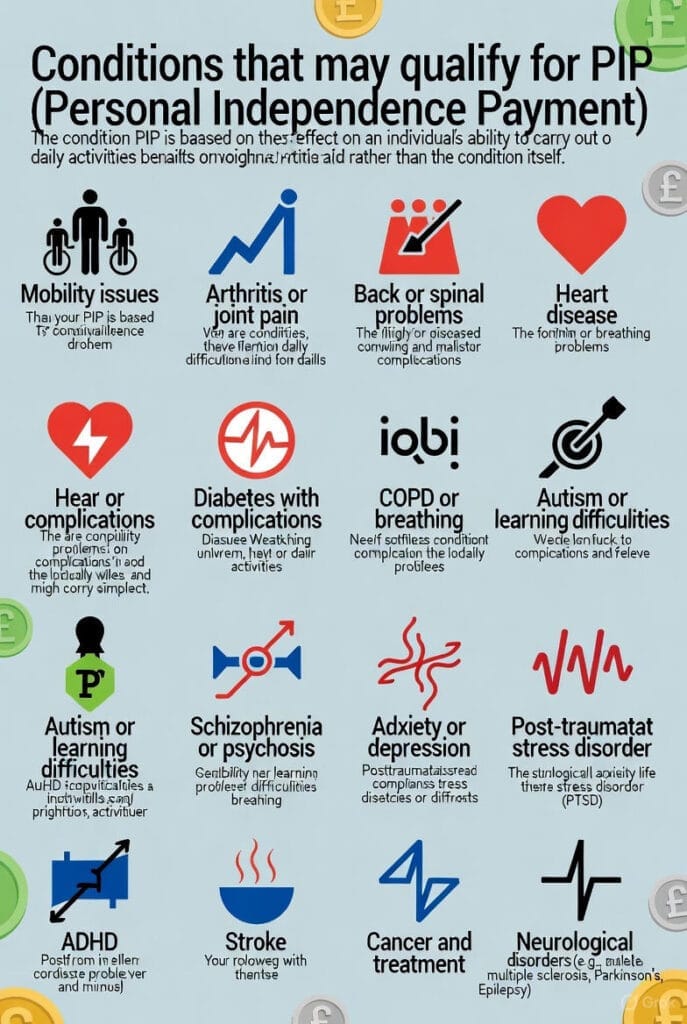
✅ Mobility issues
✅ Arthritis or joint pain
✅ Back/spinal problems
✅ Heart disease
✅ Diabetes with complications
✅ COPD & breathing issues
✅ Autism & learning difficulties
✅ ADHD
✅ Schizophrenia or psychosis
✅ Anxiety & depression
✅ PTSD
✅ Stroke recovery
✅ Cancer treatment
✅ Neurological disorders (MS, Parkinson’s, Epilepsy)
Looking for a gym that actually feels like a community instead of a boring fitness club? We just dropped a complete guide on Derrimut Gym — why it’s trending, what makes it different, membership costs, and how it’s becoming the blueprint for modern fitness culture in Australia. If you’re into bodybuilding, powerlifting, or just starting your fitness journey, this blog breaks it all down in a simple way. Check it out here: https://lumechronos.com/derrimut-gym-the-blueprint-for-fitness/
✅ How Much Money Can You Receive? (2025 PIP Rates)
PIP has two parts:
| Component | Standard Rate | Enhanced Rate |
|---|---|---|
| Daily Living | £72.65 weekly | £108.55 weekly |
| Mobility | £28.70 weekly | £75.75 weekly |
✅ Payments are made every 4 weeks
✅ Maximum yearly support can reach £9,500+
How to Apply for PIP (Simple Step-by-Step)
Here’s the clean workflow that UK applicants follow:
1. First Contact
Call the PIP claim line:
- 0800 917 2222 (free call)
- Provide basic info: name, address, GP, National Insurance number
2. “How Your Disability Affects You” Form
You receive a big form via mail.
You describe:
- What you struggle with daily
- How your condition limits mobility
- Any help you need from others
Pro Tip: Be honest. Don’t downplay your condition.
3. Send Supporting Evidence
Anything helps:
- GP reports
- Hospital letters
- Prescriptions
- Therapist notes
- Medical tests
- Caregiver notes
4. Health Assessment
Some applicants receive a phone, video, or in-person assessment.
After that, DWP makes a decision and payments begin.
Can You Get PIP If You Work?
Yeah — it’s allowed.
PIP does not stop when you start a job.
It also doesn’t count as taxable income.
When Are PIP Payments Sent?
Payments are sent every 4 weeks based on the date of your first successful payment.
Example:
- If your first payment lands on a Monday
- Every payment after that will be every 4th Monday
If your payment date falls on a bank holiday, DWP pays earlier — never later.
How Long Does PIP Last?
Depends on your condition:
- Some awards are for 2–3 years
- Some are long-term
- Some are “ongoing” with light reviews
Why People Get Rejected
Most rejections happen because:
- Form wasn’t detailed
- No medical evidence submitted
- Applicant wrote “I’m fine” or “I manage” instead of showing actual difficulties
Can You Appeal if DWP Rejects You?
Absolutely.
- Ask for Mandatory Reconsideration
- If still refused, take it to a Tribunal
Many people win appeals and get backdated money.
Difference Between PIP and Universal Credit
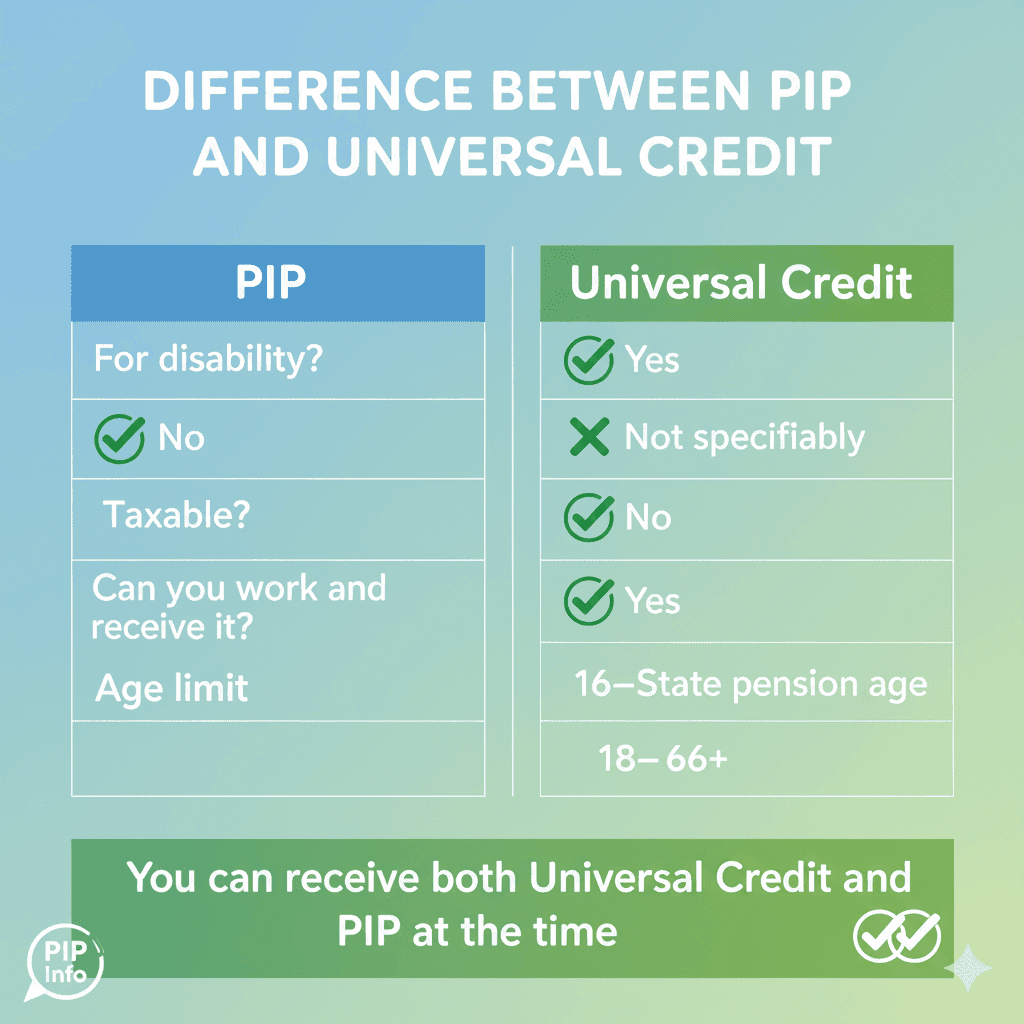
| Feature | PIP | Universal Credit |
|---|---|---|
| For disability? | ✅ Yes | ❌ Not specifically |
| Taxable? | ❌ No | ❌ No |
| Can you work and receive it? | ✅ Yes | ✅ Yes |
| Age limit | 16–State pension age | 18–66+ |
You can receive both Universal Credit and PIP at the same time.
Is PIP Changing in 2025?
There are ongoing government discussions about:
- Tweaks to assessments
- Digital application process
- Updated support for mental health claims
But no one loses money automatically.
Current claimants stay protected.
Simple Example
Sarah has:
- Chronic back pain
- Can’t stand for long
- Needs help dressing and grocery shopping
- Gets anxious leaving home alone
She receives:
- Daily Living: Standard
- Mobility: Enhanced
Her total support is above £600 every month, tax-free.
Frequently Asked Questions
Do savings affect PIP?
No.
You can have £1 or £1,000,000 — makes no difference.
Can non-UK citizens apply?
You must normally live in the UK and meet residency rules.
Do children get PIP?
Children receive DLA instead of PIP.
Is PIP paid forever?
It depends on reviews and medical condition.
Final Thoughts
PIP has become a lifeline for thousands of UK residents managing physical and mental health challenges.
Even if your condition is invisible, unpredictable, or based on mental health, you still deserve support.
The key is explaining clearly how your daily life is affected.
✅ This article is based on insights from real-time trends and verified sources including the UK Government’s official website.
Staying healthy isn’t about strict diets or impossible routines — it’s about smart, sustainable habits that actually fit real life. That’s why we created a full guide on the 10 Tips for Good Health, covering sleep, food, exercise, mental well-being, and daily lifestyle shortcuts that anyone can start today. If you want practical, beginner-friendly advice backed by science and real-world results, you’ll love this article. Check it out here 10 Tips For Good Health Everyone Should Follow