



Coping with Anxiety Naturally: Practical Tips for Anxiety Management
Easy Ways to Reduce Anxiety
Anxiety is a common experience that affects people of all ages – from stressed-out teens and busy professionals to those dealing with chronic worry every day. While anxiety can feel overwhelming, there are many natural techniques you can use to calm your mind and body. These evidence-based strategies draw on what research tells us about stress and our nervous system. In this article, we’ll explore practical tips you can try at home, including breathing exercises, physical activity, journaling, herbal remedies, diet changes, and better sleep routines. Each technique is explained with simple steps you can follow and backed by scientific studies. You have the power to manage your anxiety; even small changes can lead to big improvements in mood and resilience.
Breathing Exercises for Calm
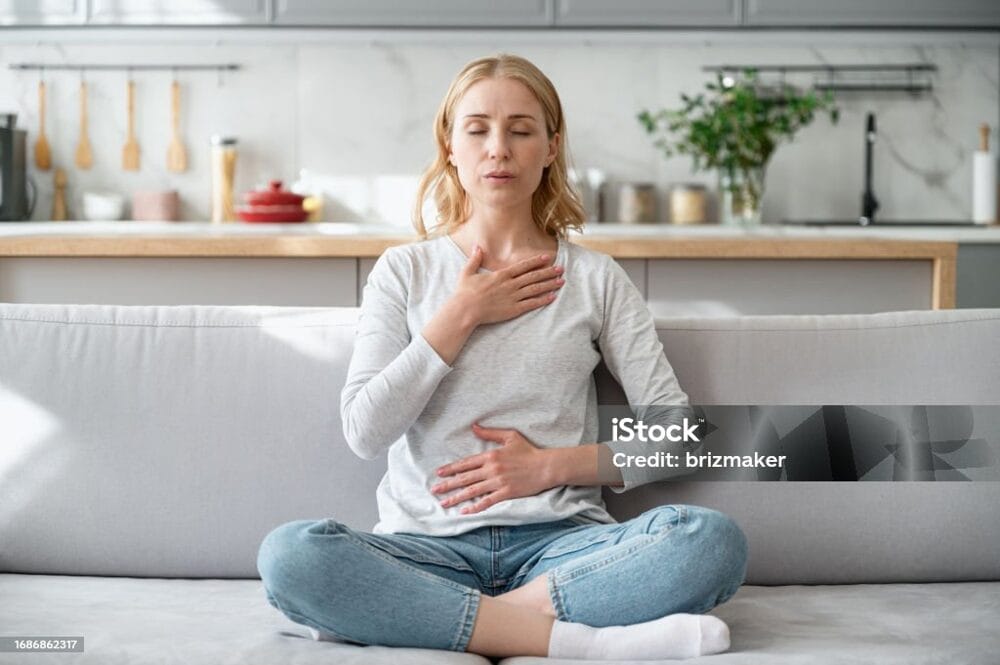
Deep, controlled breathing is one of the quickest ways to activate your body’s built-in relaxation response. When you breathe slowly and deeply, it engages the parasympathetic nervous system – the branch of the nervous system that calms your body after stress. In other words, deep breathing helps counter the “fight-or-flight” alarm system that fuels anxiety According to med.stanford.edu. For example, a 2023 Stanford study found that just five minutes of guided breathing exercises each day significantly reduced participants’ anxiety and improved their mood.
You can try these simple breathing techniques:
- 4-7-8 Breathing: Breathe in quietly through your nose for 4 seconds, hold the breath for 7 seconds, then exhale completely through your mouth for 8 seconds. This extended exhale slows your heart rate. Repeat for 4–8 breaths.
- Box Breathing: Inhale for 4 counts, hold for 4, exhale for 4, hold for 4. Repeat this “box” cycle 4 times. This equal-rhythm breathing is used by athletes and the military to stay calm under pressure.
- Cyclic Sighing: Inhale deeply to fully expand your lungs, then take one extra small “top-up” breath to maximize lung inflation. Exhale very slowly until your lungs are empty. Repeat this double-inhale, long exhale for about 5 minutes. (Studies show slow exhalations like this strongly activate relaxation pathways.)
- Alternate-Nostril Breathing (Nadi Shodhana): Close your right nostril and inhale slowly through the left. Then close left nostril and exhale through the right. Continue alternating sides. This yogic technique balances the nervous system.
The key is to breathe slowly (around 5–6 breaths per minute) and deeply from your diaphragm. As you do this regularly, you train your body to “shift gears” out of fight-or-flight. Evidence shows that regular practice of these exercises strengthens heart-rate variability and boosts the body’s natural relaxation response. In practical terms, if you notice your heart racing or feeling panicky, pause and focus on a few rounds of any of these exercises. Even one or two minutes of focused breathing can break an anxiety spiral and help you feel more grounded.
Physical Activity and Exercise

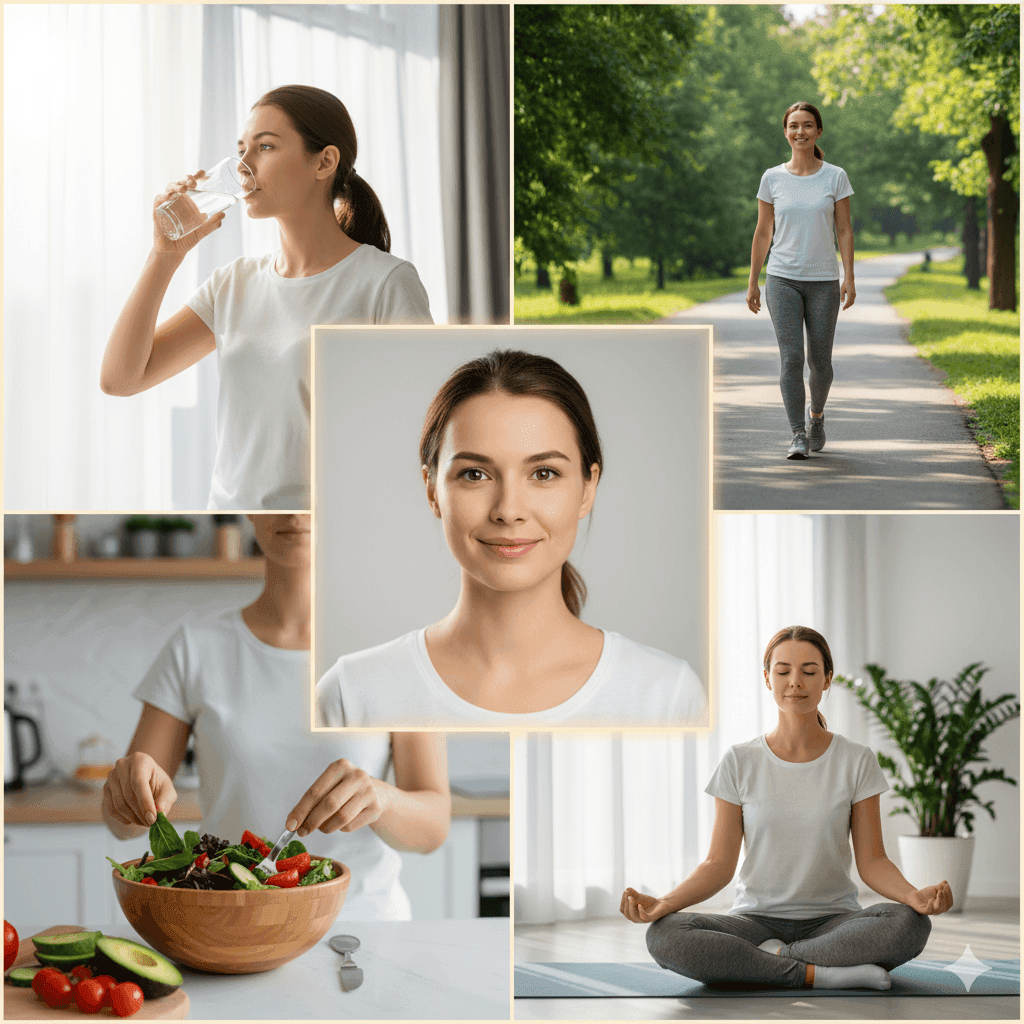
Moving your body is another powerful tool against anxiety. Exercise isn’t just good for your muscles and heart – it has a direct impact on brain chemistry and stress systems. Research shows that regular aerobic exercise (like brisk walking, cycling, swimming or dancing) can significantly reduce anxiety symptoms. Even a single 10–15 minute burst of activity can ease anxiety in the moment.
Here’s why exercise helps anxiety: it diverts your mind from worries, relaxes tense muscles, and increases the production of feel-good brain chemicals. Physical activity boosts serotonin, GABA and endorphins – natural anti-anxiety neurotransmitters – and increases brain-derived neurotrophic factor (BDNF), which supports healthy brain function. Exercise also strengthens the brain’s ability to regulate the amygdala (the “alarm center” for fear) by activating higher executive regions of the brain. Over time, exercising regularly builds emotional resilience, making you better able to handle stress.
Looking for more in-depth health information, mental health advice, and practical guides to improve wellbeing?
Read our complete article and discover more helpful content:
🔗 https://lumechronos.com/how-to-deal-with-depression-patient/
How to use exercise for anxiety:
- Get started gently. You don’t need to run a marathon – even a 15- to 30-minute walk or light jog three times a week can help. Research suggests “more is better,” but any movement is beneficial.
- Do what you enjoy. Choose activities you like (dancing, cycling, team sports, yoga, martial arts) so that you stick with them. If it’s fun, you’ll be more likely to make it a habit.
- Aim to get your heart rate up. Moderate aerobic exercise (where you breathe heavier but can still talk) is especially helpful for anxiety.
- Mix it up. Different exercises work: even tai chi, yoga or gardening can help by combining movement with mindfulness. A study found that people improved no matter which type of exercise they tried According to health.harvard.edu.
- Try social or outdoor workouts. Exercising with a friend or in a group adds social support, and being in nature has extra calming effects According to health.harvard.edu.
Quick Exercise Tips for Anxiety Relief
- Go for a brisk 30-minute walk around your neighborhood or campus.
- Do a short home workout (jumping jacks, push-ups, squats) between tasks.
- Join a sports class or dance group for fun and community.
- Stretch or try yoga in the morning or evening.
- When anxiety strikes, take 5 minutes to jog in place or do high knees – you’ll feel some immediate tension release.
Journaling and Expressive Writing
about your thoughts and feelings can help clear an anxious mind. Journaling gives worries a concrete form on paper, which can “offload” them from your brain. For instance, studies at the University of Texas found that expressive writing (writing freely about your worries) helped anxious students perform better on tests because it freed up mental resources. Brain-wave research shows that writing about worries reduces the brain’s stress signals – in other words, the act of getting thoughts out on paper makes you less reactive and more focused.
You can use journaling in different ways:
- Expressive Journal: Each day (or whenever you feel anxious), spend 5–10 minutes writing about what’s on your mind. Write non-stop about your worries, fears, or any stressful events – don’t worry about spelling or grammar. This free-form writing can help “dump” rumbling thoughts. In one study, after writing for about 8–10 minutes, people’s worry signals dropped, making them better able to concentrate.
- Gratitude Journal: Write down 2–3 things you’re grateful for each day (no matter how small). Focusing on positive experiences can shift mood over time. Research on gratitude journaling shows it can increase happiness and reduce stress.
- Mood or Trigger Tracking: Note down what made you feel anxious and how you coped. Over time this can reveal patterns (for example, certain situations or foods that raise your anxiety) and help you address them.
- Structured Lists: If freewriting feels too open, use bullet lists. For example, jot down “What’s bothering me, why, and what I can do about it” or “Top 3 anxieties right now + one positive thing to balance each.”
In practice, try to make journaling a routine. You might sit with a cup of tea and write first thing in the morning or before bed. Even just knowing you’ll have a chance to write about your worries can reduce anxiety in the moment. Start small – 2–5 minutes of writing today – and build up. Research suggests that regularly writing down worries before facing a challenging task (like a test or presentation) can reduce anxiety during the task. Over weeks and months, keeping these written records can also help you see progress and triggers, which boosts your sense of control.
Looking for more in-depth health information, mental health advice, and practical guides to improve wellbeing?
Read our complete article and discover more helpful content:
🔗 https://lumechronos.com/how-to-deal-with-depression-patient/
Herbal Remedies and Supplements
Some people find herbal teas or supplements can gently ease anxiety. Several plant-based remedies have been studied, though effects tend to be mild and vary by person. For example, chamomile tea has been tested as a calming drink; limited data suggests short-term use can lessen symptoms of anxiety According to mayoclinic.org. Similarly, lavender (taken orally or used as aromatherapy) has some evidence of reducing anxiety. Lemon balm (often made into tea) has also shown promise: small studies found it may reduce worry and excitability. Passionflower extract is used by some for anxiety and insomnia, with a few trials suggesting it might help.
Examples of herbal strategies:
- Chamomile: Drink chamomile tea (1–2 cups per day). Chamomile contains apigenin, a compound that binds to brain receptors and has a calming effect. Studies report it’s generally safe for short-term use and can ease mild anxiety.
- Lavender: Use lavender oil in a diffuser or as a pillow spray before bed. Some research suggests the scent of lavender can lower anxiety and improve sleep. (Capsules of lavender oil exist too, but avoid giving lavender supplements to children or teens without a doctor’s guidance.)
- Lemon Balm (Melissa officinalis): Make lemon balm tea by steeping the leaves. It has a mild sedative effect and studies in children and adults suggest it can improve sleep and reduce anxiety.
- Ashwagandha: This Ayurvedic herb is known as an adaptogen. A number of trials (summarized in recent reviews) found that taking ashwagandha extract can lower stress hormones like cortisol and decrease anxiety scores. (Typical doses in studies are 300–500 mg of a standardized extract, taken twice daily.)
Use herbs carefully: Natural doesn’t always mean completely risk-free. Always start with a low dose to see how your body reacts. Consult a doctor before combining herbs with medications. For instance, chamomile can interact with blood thinners, and kava (another anti-anxiety herb) has been linked to liver issues and should be avoided. Also remember herbal remedies are complementary – they work best alongside other strategies like breathing and exercise. In short, a warm cup of chamomile or lavender tea in the evening may help you relax, but pair it with good sleep habits and stress-management techniques for the most benefit.
Nutrition and Diet for Anxiety
What you eat can influence your mood and stress levels. The brain runs on what you feed it – nutrient-rich foods act like premium fuel, while poor diet choices can worsen anxiety. A “brain-healthy” diet – high in vegetables, fruits, whole grains, lean protein and healthy fats – provides vitamins, minerals and antioxidants that protect brain cells. In contrast, diets heavy in refined sugars and processed foods are linked to increased inflammation and oxidative stress in the brain, which can contribute to anxiety and depression. For example, one review noted that eating lots of refined carbs and added sugar was correlated with worse mood symptoms for more detail check this blog health.harvard.edu. Traditional diets rich in whole foods (like the Mediterranean or Japanese diet) are associated with a 25–35% lower risk of depression, likely because they are anti-inflammatory and gut-friendly.
Here are some dietary tips to support anxiety management:
- Eat regular, balanced meals. Include protein (eggs, fish, lean meat, beans), complex carbs (whole grains, vegetables) and healthy fats (nuts, olive oil, avocado) at each meal. This helps stabilize blood sugar, which prevents mood swings and jitteriness.
- Omega-3 fatty acids: Foods like salmon, mackerel, sardines, chia seeds and walnuts are rich in omega-3s (EPA/DHA). Omega-3s play a role in brain neurotransmitters and reducing inflammation. A recent meta-analysis found that supplementing about 2 grams of omega-3 per day significantly reduced anxiety symptoms in adults. (While you can take fish oil pills, getting omega-3 from foods also adds protein and nutrients.)
- Limit caffeine and sugar spikes. Too much caffeine (coffee, energy drinks) can increase heart rate and nervousness. Likewise, sugary snacks cause rapid blood sugar changes that can trigger anxiety. If you crave a treat, pair sugary foods with some protein or fiber (e.g. fruit with nuts).
- Gut health matters. Emerging research shows gut bacteria influence mood. Include probiotic foods like yogurt, kefir or fermented vegetables (sauerkraut, kimchi) and prebiotic fiber (onions, garlic, bananas) to support a healthy microbiome. This may have a small mood-lifting effect over time.
- Stay hydrated. Dehydration stresses the body. Make sure to drink enough water throughout the day. Herbal teas (chamomile, mint, rooibos) are also calming and hydrating.
In short, focus on whole, real foods and notice how diet affects you. You might try a two- or three-week trial of a “clean” diet (cutting out processed foods, alcohol, excess caffeine and sugar) and see if your anxiety lessens. Often people feel calmer simply by cutting back on stimulants (caffeine/sugar) and eating more omega-3s, vitamins (like B-complex vitamins from whole grains and leafy greens), and magnesium-rich foods (pumpkin seeds, spinach) which all support the nervous system. Remember, dietary changes take time to show effects; be patient and combine them with other habits.
Sleep Hygiene and Healthy Sleep Routines
Healthy sleep is crucial for managing anxiety. Poor sleep and anxiety have a two-way relationship: anxiety makes it hard to sleep, and lack of sleep makes anxiety worse. Research clearly shows this cycle – for example, people with insomnia are 17 times more likely to have anxiety than those without sleep problems. Even mild chronic sleep deprivation can make you irritable, reactive, and less able to cope with stress. On the other hand, studies find that improving sleep often leads to better mood and lower anxiety.
Here are practical sleep-hygiene tips:
- Keep a consistent sleep schedule. Go to bed and wake up at the same times every day (even on weekends). This helps regulate your body’s internal clock.
- Create a relaxing bedtime routine. An hour before bed, wind down: dim the lights, put away screens (TV, phone, computer) to reduce blue light exposure, and do something calming (read a book, take a warm bath, gentle stretching or meditation).
- Make your bedroom a sleep sanctuary. Keep it cool, dark, and quiet. Consider blackout curtains or a white-noise machine if needed. Reserve the bed for sleep and intimacy only – avoid working, eating or scrolling on your phone in bed.
- Watch evening food and drink. Avoid large meals, alcohol, and caffeine in the late afternoon or evening. A small snack with carbs+protein (like a banana with peanut butter) can help if you’re hungry, but spicy or heavy foods may disrupt sleep.
- Get daytime exercise. As covered above, regular physical activity helps regulate sleep too (but try not to exercise intensely within 2–3 hours of bedtime, as it can be stimulating).
- Mind your mind. If worries race through your head at night, try writing them in a journal before bed (as described above). This “clears” anxious thoughts out of your mind. During the night, if you wake up anxious, practice a few deep breathing exercises (like 4-7-8) to turn on the relaxation response.
Improving sleep can take some work, but the benefits are enormous. One study found that treating insomnia through cognitive-behavioral therapy (CBT-I) not only helped participants sleep better, but also led to significant drops in depression and anxiety. In other words, the effort you put into good sleep hygiene pays off with better mood the next day. Start with one change (say, setting a fixed wake-up time) and gradually build habits. Over time, better sleep will help reduce the overall load of anxiety in your life.
Conclusion
Remember, you don’t have to wait out anxiety – you can actively fight it with simple, natural techniques. Practice these strategies consistently, one step at a time. Begin with a breathing exercise when you feel stressed, take a short walk each day, or write out a couple of worries each evening. Notice how small changes add up: as studies show, even brief daily efforts (5 minutes of breathing, a single workout, a short journaling session) produce measurable reductions in anxietymed.stanford.eduhealth.harvard.edu. The key is persistence and finding what resonates with you. You’re building resilience – the ability to bounce back from stress – by nourishing your body and mind.
Be patient and kind to yourself on this journey. Some days will be easier, others harder, but every positive step counts. Celebrate the small victories (maybe you slept a little better, or got through a meeting without spiraling). Lean on supportive friends or family, and know that these healthy habits are tools you own for life. With each breath, each run, each journal entry, and each good meal, you empower yourself to manage anxiety. You have the strength to improve your well-being – believe in your ability to grow calmer, one practical tip at a time.
Frequently Asked Questions
How can I support a depressed person in daily life?
Supporting someone with depression requires patience, consistency, and empathy. Encourage small routines, listen without judgment, help with daily tasks, and check in regularly. Even simple actions—like sharing meals, taking walks, or offering company—can make a meaningful difference.
What should I avoid saying to someone with depression?
Avoid dismissive phrases like “just move on,” “stop overthinking,” or “others have it worse.” These statements can deepen emotional pain. Instead, validate their feelings by saying, “I’m here for you,” or “I understand this must be difficult for you.”
How do I talk to a depressed person without hurting them?
Use calm, compassionate language. Start conversations gently:
“You’ve seemed stressed lately, and I want you to know I care.”
Avoid forcing solutions. Focus on listening and understanding rather than giving immediate advice.
What are the signs that someone might be clinically depressed?
Common symptoms include sadness, irritability, sleep changes, appetite changes, lack of energy, social withdrawal, feelings of worthlessness, and difficulty concentrating. Recognizing symptoms early helps in getting proper treatment.
How do I deal with a depressed family member at home?
Create a supportive environment at home by keeping communication open, reducing stress triggers, offering help with daily chores, and encouraging healthy habits like fresh air, sunlight, and balanced routines. Consistent support from family can speed up recovery.