



Introduction
The loneliness epidemic has become one of the most significant mental health challenges facing modern society. Despite living in a world more connected than ever through smartphones, social media, and digital communication platforms, millions of people in the United States and the United Kingdom report feeling isolated, disconnected, and emotionally alone.
Experts increasingly describe loneliness as a public health crisis. Research continues to show that prolonged loneliness can negatively affect mental wellbeing, physical health, productivity, relationships, and overall quality of life. The issue is particularly concerning among young adults, remote workers, older adults, and individuals experiencing major life transitions.
In 2026, the conversation around loneliness has expanded beyond simply feeling alone. Policymakers, healthcare professionals, employers, and educators are recognizing that loneliness can have long-term consequences for individuals and communities alike.
This article explores the causes behind the loneliness epidemic, its impact on mental health, key statistics from the USA and UK, common misconceptions, expert-backed solutions, and practical ways to rebuild meaningful social connections.
Table of Contents
- Understanding the Loneliness Epidemic
- Why Loneliness Is Rising in 2026
- Loneliness Statistics in the USA and UK
- Mental Health Effects of Loneliness
- Physical Health Consequences
- The Role of Technology and Social Media
- Who Is Most Affected?
- Benefits of Addressing Loneliness
- Common Mistakes People Make
- Expert Tips to Overcome Loneliness
- Pros and Cons of Digital Connectivity
- Best Practices for Building Meaningful Connections
- Conclusion
Understanding the Loneliness Epidemic
What Is Loneliness?
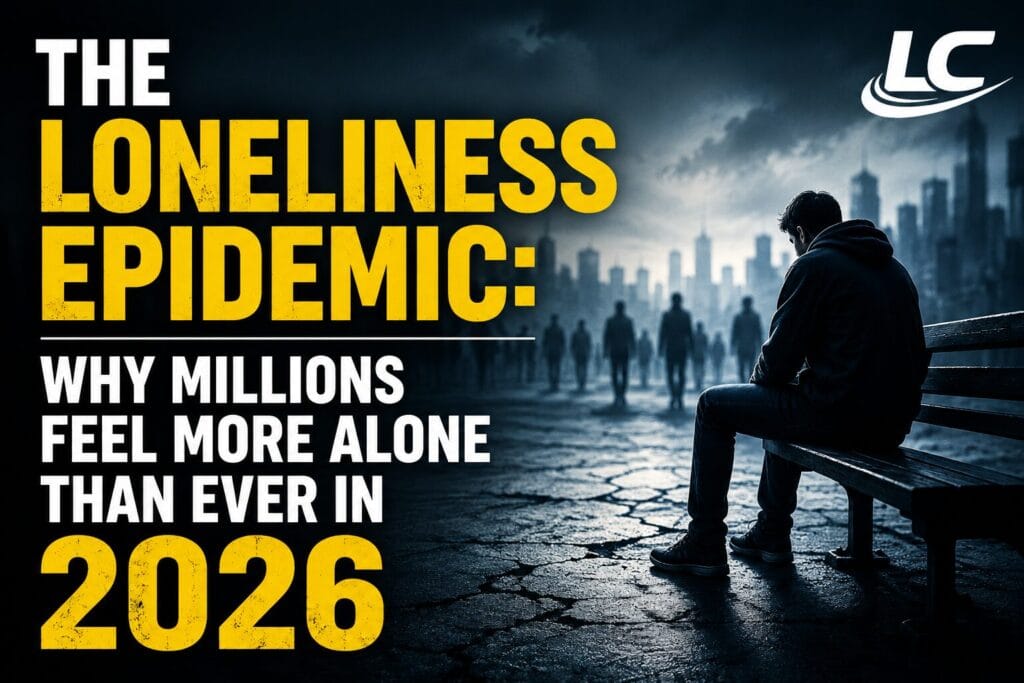
Loneliness is the feeling of being socially disconnected regardless of how many people surround you.
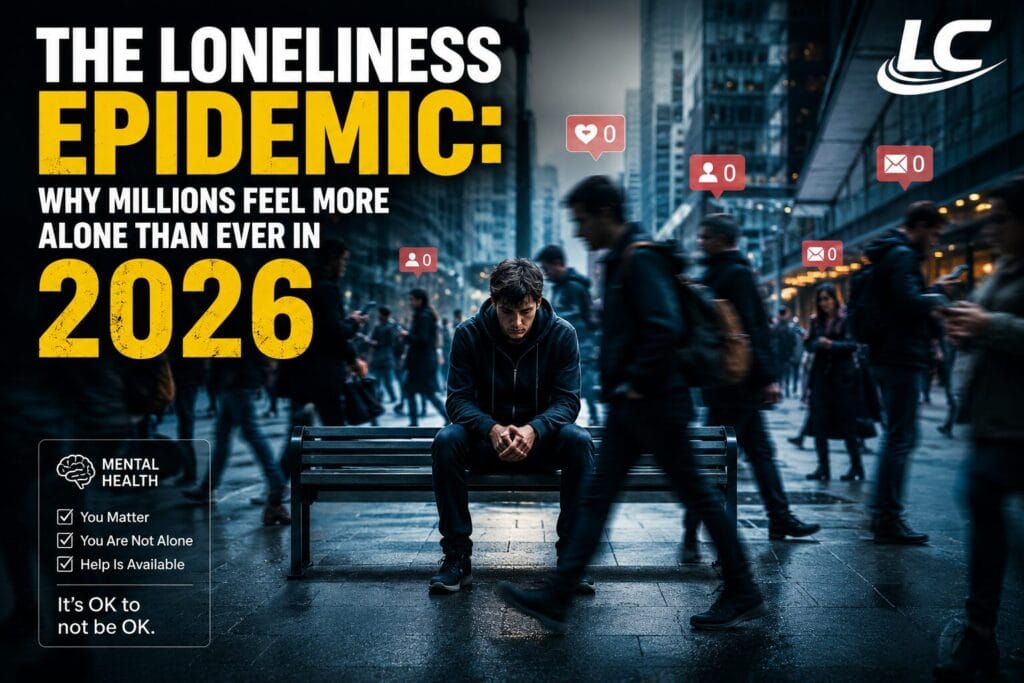
A person may have hundreds of online followers and still experience profound loneliness.
Social Isolation vs Loneliness
Social isolation refers to a lack of social contact.
Loneliness refers to the emotional feeling of disconnection.
A person can experience one without the other.
Why Loneliness Is Rising in 2026
Increased Remote Work
Remote work offers flexibility but can reduce daily social interactions.
Many employees miss:
- Casual workplace conversations
- Team collaboration
- Face-to-face relationships
- Community engagement
Digital Relationships Replacing Real Connections
Online communication is convenient but often lacks emotional depth.
Many individuals spend hours communicating digitally while experiencing little meaningful connection.
Economic Pressures
Rising living costs in both the USA and UK have increased stress levels.
Financial pressures often contribute to:
- Social withdrawal
- Anxiety
- Depression
- Reduced community participation
Urban Lifestyle Changes
Many people live in densely populated cities yet feel disconnected from their communities.
The modern lifestyle often prioritizes convenience over meaningful relationships.
Loneliness Statistics in the USA and UK
Several studies over recent years have highlighted growing loneliness concerns.
Key trends include:
- Young adults frequently report higher loneliness levels than older generations.
- Remote workers often experience greater social disconnection.
- Social media usage continues to increase while reported wellbeing declines.
- Mental health services report growing demand related to anxiety, stress, and loneliness.
In both the United States and the United Kingdom, policymakers have increasingly treated loneliness as a public health concern requiring national attention.
Mental Health Effects of Loneliness
Increased Anxiety
Loneliness often triggers excessive worrying and fear of social rejection.
People may begin avoiding social situations, creating a cycle of isolation.
Depression
Chronic loneliness is strongly associated with depressive symptoms.
Common signs include:
- Low mood
- Lack of motivation
- Hopelessness
- Emotional numbness
Reduced Self-Esteem
Individuals experiencing loneliness often question their self-worth and social value.
Higher Stress Levels
Isolation can increase stress hormones, contributing to emotional exhaustion.
Physical Health Consequences
The loneliness epidemic affects more than mental health.
Research suggests loneliness may contribute to:
- Higher blood pressure
- Poor sleep quality
- Increased inflammation
- Reduced immune function
- Greater risk of chronic illness
These effects demonstrate why experts compare severe loneliness to other major health risks.
The Role of Technology and Social Media
Positive Effects
Technology can:
- Connect distant family members
- Support online communities
- Improve access to mental health resources
- Reduce geographical barriers
Negative Effects
Excessive social media use may contribute to:
- Social comparison
- Fear of missing out (FOMO)
- Reduced face-to-face interaction
- Unrealistic expectations
Real-World Example (USA)
A college student spending several hours daily on social media may feel disconnected after comparing their life to carefully curated online content.
Real-World Example (UK)
A remote worker in London may communicate digitally all day while lacking meaningful in-person interactions.
Who Is Most Affected?
Gen Z
Young adults report some of the highest loneliness levels despite being highly connected digitally.
Remote Workers
Reduced workplace interaction can increase feelings of isolation.
Older Adults
Retirement, mobility limitations, and loss of loved ones can increase loneliness risk.
New Parents
Lifestyle changes and reduced social opportunities may create emotional isolation.
Benefits of Addressing Loneliness
Reducing loneliness can lead to:
- Better mental health
- Improved emotional resilience
- Stronger relationships
- Enhanced productivity
- Better physical health
- Greater life satisfaction
- Increased confidence
- Improved sleep quality
Common Mistakes People Make
Waiting for Others to Reach Out
Many people assume relationships will develop naturally.
Meaningful connections often require proactive effort.
Replacing Friendships with Social Media
Digital interactions cannot always replace real-life relationships.
Ignoring Mental Health Symptoms
Persistent loneliness should not be dismissed.
Seeking support early can prevent worsening mental health issues.
Avoiding New Experiences
Fear of rejection often prevents people from building connections.
Expert Tips to Overcome Loneliness
Join Community Activities
Participate in:
- Local clubs
- Volunteer programs
- Fitness classes
- Educational workshops
Schedule Social Time
Treat social activities as important commitments.
Focus on Quality Relationships
A few strong relationships are often more beneficial than many superficial ones.
Practice Active Listening
Strong relationships develop through genuine engagement.
Seek Professional Support
Therapists and counselors can help address underlying emotional challenges.
Pros and Cons of Digital Connectivity
| Pros | Cons |
|---|---|
| Easy communication | Increased comparison |
| Global connections | Reduced face-to-face interaction |
| Mental health resources | Screen addiction |
| Community building | Emotional disconnection |
| Accessibility | Unrealistic expectations |
Comparison Table: Healthy Connection vs Chronic Loneliness
| Healthy Connection | Chronic Loneliness |
| Strong support system | Limited support |
| Better emotional wellbeing | Increased anxiety |
| Higher self-esteem | Low self-worth |
| Greater resilience | Emotional exhaustion |
| Improved physical health | Higher health risks |
Best Practices for Building Meaningful Connections
- Prioritize face-to-face interactions.
- Limit excessive social media use.
- Participate in community activities.
- Develop communication skills.
- Practice gratitude.
- Maintain regular contact with friends and family.
- Create healthy routines.
- Seek help when needed.
- Invest in long-term relationships.
- Focus on authenticity rather than popularity.
Conclusion
The loneliness epidemic represents one of the defining mental health challenges of 2026. Although technology has transformed communication, many individuals across the USA and UK continue to struggle with emotional disconnection and social isolation.
Understanding the causes behind the loneliness epidemic is essential for creating meaningful solutions. From remote work and social media habits to economic pressures and changing lifestyles, multiple factors contribute to rising loneliness levels.
Fortunately, loneliness is not an irreversible condition. Building stronger relationships, participating in communities, prioritizing mental wellbeing, and seeking support can significantly improve emotional health and quality of life.
As society becomes increasingly digital, the importance of genuine human connection continues to grow. Addressing loneliness requires action from individuals, families, workplaces, healthcare systems, and communities. By recognizing the problem and taking practical steps toward meaningful connection, millions of people can improve their mental wellbeing and lead healthier, more fulfilling lives.